Michelle Romero
English 48A
Dr. Scott Lankford
"Yet we in America, whose antiracist idealists are admired around the globe, seem to have lost these men and women as heroes. Our textbooks need to present them in such a way that we might again value our own idealism" (Loewen 199).
Very true. Loewen is talking about the irony in the fact that America is portrayed as a humanitarian country abroad, being looked upon as a role model for human equality, yet that we Americans have resisted our own humanitarians. It is pretty ironic.
Honestly, I think as a country we want to be seen as great, an idealist nation with humanity at heart. However, I think that when the WASP view does not agree with who the hero is, he or she gets written out of history. That way, the great act of whatever the hero achieved or contributed remains, yet he or she does not. So, if one great role model of the time is a black activist, his ideals may be placed on the wall of honorary achievement, yet he will still be sent to eat at the slaves table in the kitchen, away from the rest of society. He is still denied the right to own his own theory or his own success.
Then, mainstream society begins to act as if white Protestants brought about the change, as though they had some sort of hand in the fate of our nation's history, as though they were and are the only ones capable of success. I guess we are not as far removed from discrimination as I thought. I guess we have not really achieved even the half-way point to true racial equality when we look at the subtleties that can leave such a lasting and misguided impression on us.
Friday, December 14, 2007

Journal #34 (Extra)
Michelle Romero
English 48A
Dr. Scott Lankford
Ch. 6 John Brown & Abraham Lincoln
"'Are you going to tell kids that Thomas Jefferson didn't believe in Jesus? Not me!' a textbook editor exclaimed to me" (179).
I was shocked at this statement, not only because I can't believe the editor actually said that so bluntly, but also because I had never thought that such seemingly insignificant details would be altered to perpetuate a specific society value. Who cares?
I mean seriously, why does Jefferson have to be depicted by authors as a believer in Jesus, if in fact he was not? Does it really change anything about the significance of his achievements or contributions? Can't you just be a good person or role model without having religion? Apparently, the white-Anglo-Saxon protestant editor would say no. I never thought about what a difference it would make if a great leader or "hero" in American history was not religious. As I sit here and think about it, most of the ones that I can come up with off the top of my head, are portrayed as religious. Who knows now! I don't think it is that big of a deal to write that Jefferson was not a believer in Christ, but I definitely see now how portraying all great leaders as Christians does perpetuate a certain belief over time. SCARY!
It also makes me wonder what puts these ideas in to our heads to alter details like this. Who pays the editor really? Who tells the editor what to put in and what to take out? What ideas to perpetuate? Are we really that much more censored and regulated by government, and so subtly that we have no clue? I do not really like where this is going….YIKES.
English 48A
Dr. Scott Lankford
Ch. 6 John Brown & Abraham Lincoln
"'Are you going to tell kids that Thomas Jefferson didn't believe in Jesus? Not me!' a textbook editor exclaimed to me" (179).
I was shocked at this statement, not only because I can't believe the editor actually said that so bluntly, but also because I had never thought that such seemingly insignificant details would be altered to perpetuate a specific society value. Who cares?
I mean seriously, why does Jefferson have to be depicted by authors as a believer in Jesus, if in fact he was not? Does it really change anything about the significance of his achievements or contributions? Can't you just be a good person or role model without having religion? Apparently, the white-Anglo-Saxon protestant editor would say no. I never thought about what a difference it would make if a great leader or "hero" in American history was not religious. As I sit here and think about it, most of the ones that I can come up with off the top of my head, are portrayed as religious. Who knows now! I don't think it is that big of a deal to write that Jefferson was not a believer in Christ, but I definitely see now how portraying all great leaders as Christians does perpetuate a certain belief over time. SCARY!
It also makes me wonder what puts these ideas in to our heads to alter details like this. Who pays the editor really? Who tells the editor what to put in and what to take out? What ideas to perpetuate? Are we really that much more censored and regulated by government, and so subtly that we have no clue? I do not really like where this is going….YIKES.
Journal #33 (Extra)
Michelle Romero
English 48A
Dr. Scott Lankford
Ch. 6 John Brown and Lincoln
"Most of our textbooks say nothing about Lincoln's internal debate. If they did show it, what teaching devices they would become! Students would see that speakers modify their ideas to appease and appeal to different audiences, so we cannot simply take their statements literally" (Loewen 179).
This is true. History textbooks are so boring--the never get to the meat: the details of behind the scenes, what people were really thinking, how it really felt to be in certain situations. Instead, it becomes dry and dull and as students, miss the connections that make those historical events part of our own individual history.
I was actually surprised to here about Lincoln's somewhat "on the fence" approach to the race issue. He is always talked about as one of the greatest presidents because of his achievements to end slavery and racial discrimination. Now I think it was more like luck that the North was winning to influence him to sign the Emancipation Proclamation. I think if the South was winning, perhaps things could have turned out very differently.
To see him as a real man gives us a different view. It makes sense though. When we think about how often we all change our mind or develop new philosophies or ideas of what is right and wrong through personal experience or new knowledge, then it is understandable that all of our "heroes" were the same way. And YET, it somehow suits us to put them on a pedestal, dehumanizing them to nothing more than a trophy to represent one fact about them and not the whole picture. I think that if we did hear the whole story and could see the truth about the influence of political rhetoric, we would be more cautious and skeptical about just believing whatever we here. Instead, by remembering only the golden moment, we feel like it is the government or our leaders who have our best interests at heart, as if they know something we don’t. I guess that is the point of re-writing history in this way.
English 48A
Dr. Scott Lankford
Ch. 6 John Brown and Lincoln
"Most of our textbooks say nothing about Lincoln's internal debate. If they did show it, what teaching devices they would become! Students would see that speakers modify their ideas to appease and appeal to different audiences, so we cannot simply take their statements literally" (Loewen 179).
This is true. History textbooks are so boring--the never get to the meat: the details of behind the scenes, what people were really thinking, how it really felt to be in certain situations. Instead, it becomes dry and dull and as students, miss the connections that make those historical events part of our own individual history.
I was actually surprised to here about Lincoln's somewhat "on the fence" approach to the race issue. He is always talked about as one of the greatest presidents because of his achievements to end slavery and racial discrimination. Now I think it was more like luck that the North was winning to influence him to sign the Emancipation Proclamation. I think if the South was winning, perhaps things could have turned out very differently.
To see him as a real man gives us a different view. It makes sense though. When we think about how often we all change our mind or develop new philosophies or ideas of what is right and wrong through personal experience or new knowledge, then it is understandable that all of our "heroes" were the same way. And YET, it somehow suits us to put them on a pedestal, dehumanizing them to nothing more than a trophy to represent one fact about them and not the whole picture. I think that if we did hear the whole story and could see the truth about the influence of political rhetoric, we would be more cautious and skeptical about just believing whatever we here. Instead, by remembering only the golden moment, we feel like it is the government or our leaders who have our best interests at heart, as if they know something we don’t. I guess that is the point of re-writing history in this way.
Journal #32 (Extra)
Michelle Romero
English 48A
Dr. Scott Lankford
Lies My Teacher Told Me
Ch. 6-John Brown and Abraham Lincoln
"The farther we get away from the excitement of 1859 the more we are disposed to consider this extraordinary man the victim of mental delusions" (Loewen 176).
This quote discusses the history of John Brown's legend. Loewen discusses how at different time periods in American history, Brown started being referred to as a lunatic. For example, while many black leaders of the time actually thought of him as a hero, white history textbook authors began to depict him as mentally ill and not altogether "with-it," especially after 1859. By doing this, it nullifies his work and discredits his cause. It basically causes people who read these textbooks and did not know the man personally, to easily forget him. Sure, you can read that he may have done a few things, but who cares if the man was insane, right? It makes a reader skip over him as having done "nothing of importance" to quote Columbus. And who would know the difference having not lived in that time.
I am not necessarily surprised by this, but it does remind me to think about who the "outcasts" are in current society. I mean many, many very influential people in history were exiled from their countries and thrown out of their states. Yet, years later, we somehow look back and decide to pick them back up again, as it becomes convenient, nevermind that we despised them while they lived. It just goes to show how conceded we are. If it doesn't suit us to include a person's philosophy we put them in a box, and if and when we decide that their philosophy is now our new one, we take them out and put them on the shelf to add to our collection, as some sort of adornment, as if to take credit for THEIR achievements and THEIR insight.
Amazing.
English 48A
Dr. Scott Lankford
Lies My Teacher Told Me
Ch. 6-John Brown and Abraham Lincoln
"The farther we get away from the excitement of 1859 the more we are disposed to consider this extraordinary man the victim of mental delusions" (Loewen 176).
This quote discusses the history of John Brown's legend. Loewen discusses how at different time periods in American history, Brown started being referred to as a lunatic. For example, while many black leaders of the time actually thought of him as a hero, white history textbook authors began to depict him as mentally ill and not altogether "with-it," especially after 1859. By doing this, it nullifies his work and discredits his cause. It basically causes people who read these textbooks and did not know the man personally, to easily forget him. Sure, you can read that he may have done a few things, but who cares if the man was insane, right? It makes a reader skip over him as having done "nothing of importance" to quote Columbus. And who would know the difference having not lived in that time.
I am not necessarily surprised by this, but it does remind me to think about who the "outcasts" are in current society. I mean many, many very influential people in history were exiled from their countries and thrown out of their states. Yet, years later, we somehow look back and decide to pick them back up again, as it becomes convenient, nevermind that we despised them while they lived. It just goes to show how conceded we are. If it doesn't suit us to include a person's philosophy we put them in a box, and if and when we decide that their philosophy is now our new one, we take them out and put them on the shelf to add to our collection, as some sort of adornment, as if to take credit for THEIR achievements and THEIR insight.
Amazing.
Journal #31
Michelle Romero
English 48A
Dr. Scott Lankford,
Final #2
Hawthorne:
"He changed himself into something awful only by hiding his face" (1312).
This passage refers to Mr. Hooper's physical change of appearance when he decides to wear a black veil which covers his face.
Hidden secrets play such a strong role in Hawthorne's The Minister's Black Veil because of the way Hawthorne structures the scene. By making everyone around the minister appear to be spic-and-span and in their holy, Sunday clothes, the ambiguity of the meaning of his wearing of the veil makes it seem like that is what stands out, like that is what is weird. It makes it seem like he was the one hiding something. Hawthorne creates a scene of clean, Sunday-best type of people and environment and compares it to the blackness of the veil, such a subtle darkness that causes such a great stir and spurs on the mystery of the black veil among the crowd.
I find this passage ironic also. For example, it says that Mr. Cooper changed himself by putting on the veil, yet underneath Mr. Cooper would have appeared to look the exact same as before. The veil did not produce any physical change of state, it was just an adornment. In addition, I think Hawthorne was making a point about how people oftentimes wear a mask before the public. We disguise our true selves from friends, neighbors, coworkers and so on. And certainly as he has mentioned here, we disguise ourselves by putting forth only our "best" on Sundays to go to church. Therefore, the black veil didn't cover anything but the mask that Mr. Hooper would have already been wearing on all the Sundays past. So, in a way, the black veil actually made him more real but taking away the front or the persona that he has been putting on. It didn't change anything, it only brought attention to something that was already present.
The hidden secret or mystery concerning the black veil is how Hawthorne makes his points. He puts all the focus on the black veil just as the crowd had put, so that the reader is forced to ask themselves also, "What in the world does it mean?" In addition, by keeping the secret a mystery even at the end, he leaves the interpretation up to the reader.
English 48A
Dr. Scott Lankford,
Final #2
Hawthorne:
"He changed himself into something awful only by hiding his face" (1312).
This passage refers to Mr. Hooper's physical change of appearance when he decides to wear a black veil which covers his face.
Hidden secrets play such a strong role in Hawthorne's The Minister's Black Veil because of the way Hawthorne structures the scene. By making everyone around the minister appear to be spic-and-span and in their holy, Sunday clothes, the ambiguity of the meaning of his wearing of the veil makes it seem like that is what stands out, like that is what is weird. It makes it seem like he was the one hiding something. Hawthorne creates a scene of clean, Sunday-best type of people and environment and compares it to the blackness of the veil, such a subtle darkness that causes such a great stir and spurs on the mystery of the black veil among the crowd.
I find this passage ironic also. For example, it says that Mr. Cooper changed himself by putting on the veil, yet underneath Mr. Cooper would have appeared to look the exact same as before. The veil did not produce any physical change of state, it was just an adornment. In addition, I think Hawthorne was making a point about how people oftentimes wear a mask before the public. We disguise our true selves from friends, neighbors, coworkers and so on. And certainly as he has mentioned here, we disguise ourselves by putting forth only our "best" on Sundays to go to church. Therefore, the black veil didn't cover anything but the mask that Mr. Hooper would have already been wearing on all the Sundays past. So, in a way, the black veil actually made him more real but taking away the front or the persona that he has been putting on. It didn't change anything, it only brought attention to something that was already present.
The hidden secret or mystery concerning the black veil is how Hawthorne makes his points. He puts all the focus on the black veil just as the crowd had put, so that the reader is forced to ask themselves also, "What in the world does it mean?" In addition, by keeping the secret a mystery even at the end, he leaves the interpretation up to the reader.
Journal #30
Michelle Romero
English 48A
Final Question #1
Both Emerson and Thoreau not only emphasize the individual, but the natural power of human nature.
Emerson: "But if a man would be alone, let him look at the stars. The rays that come from those heavenly worlds, will separate between him and vulgar things" (1111).
Thoreau: "Law never made men a whit more just; and by means of their respect for it, even the well-disposed are daily made the agents of injustice" (1858).
In the first quote, Emerson explains the power of a man in solitude, finding the heavenly things on his own. Here, it does not take government or society or any other outside force to tell the man what is right and what is vulgar. By looking at the stars or the heavens, which represent man's nature or first origin, he can know. Emerson also says, this knowledge or ability to do so, separates him from vulgar things. Basically, he considers much of society and the institutions we have created as vulgar. In fact, I find it somewhat ironic that he does not find the man vulgar, yet the institutions the man made are vulgar. How can it be?
In the second quote by Thoreau, we see Thoreau agreeing with Emerson in that the law is not what makes a man just. It is not what makes him know right from wrong. Both authors emphasize the innate ability of man to see within him-self, to feel on his own. Here again, we see Thoreau comparing justice to injustice the way Emerson separates out the vulgar things.
To me, this shows the idealist in each of these men. Many authors write about the violence of men, the mistakes or hardships, or the evil in their nature to tend toward selfishness and other not-so-admirable traits. Instead, these two talk about relying on that nature and embracing one's own nature. They see human nature as basically good.
English 48A
Final Question #1
Both Emerson and Thoreau not only emphasize the individual, but the natural power of human nature.
Emerson: "But if a man would be alone, let him look at the stars. The rays that come from those heavenly worlds, will separate between him and vulgar things" (1111).
Thoreau: "Law never made men a whit more just; and by means of their respect for it, even the well-disposed are daily made the agents of injustice" (1858).
In the first quote, Emerson explains the power of a man in solitude, finding the heavenly things on his own. Here, it does not take government or society or any other outside force to tell the man what is right and what is vulgar. By looking at the stars or the heavens, which represent man's nature or first origin, he can know. Emerson also says, this knowledge or ability to do so, separates him from vulgar things. Basically, he considers much of society and the institutions we have created as vulgar. In fact, I find it somewhat ironic that he does not find the man vulgar, yet the institutions the man made are vulgar. How can it be?
In the second quote by Thoreau, we see Thoreau agreeing with Emerson in that the law is not what makes a man just. It is not what makes him know right from wrong. Both authors emphasize the innate ability of man to see within him-self, to feel on his own. Here again, we see Thoreau comparing justice to injustice the way Emerson separates out the vulgar things.
To me, this shows the idealist in each of these men. Many authors write about the violence of men, the mistakes or hardships, or the evil in their nature to tend toward selfishness and other not-so-admirable traits. Instead, these two talk about relying on that nature and embracing one's own nature. They see human nature as basically good.
Journal #29
Michelle Romero
English 48A
Final Question #1
Where do Emerson and Thoreau differ?
Emerson and Thoreau differ in many ways. The most talked about perhaps (at least from my point of view in this class), is that Emerson was a great talker, he was a great influence, but Thoreau and many of his other prodigies were the actual doers, the ones that acted on what they believed.
For example, Emerson was public in his addresses against slavery:
"...in 1844 he went public with his views in a passionate antislavery address, 'Emancipation of the Negroes in the British West Indies'" (Norton editors 1109).
But, Thoreau actually protested against slavery:
"During his time at Walden, Thoreau also spent one night of 1846 in the local jail when, in a protest against what he regarded as the proslavery agenda of the war against Mexico, he refused to pay his poll tax" (Norton editors 1855).
It wasn't until much later that Emerson began to take more action. I find this very interesting to see. In fact, this comparison reminds me of a popular phrase, "those who can't do, teach" (no offense Scott...it is not my personal opinion, just a phrase many people use). At first I am shocked that Emerson did not take more action against slavery. From his incredibly radical language, I would think he would have been the kind of guy who was very in-your-face about things. I imagine him to be very active, very involved, very up on the news. But after reading the bios, it would seem he was more concerned with voicing his opinions than acting on them.
Thoreau on the other hand should be commended for "practicing what he preaches." However, I also think about how many people Emerson influenced, how many other writers and activists. And then I think how we really do need the talkers as much as we need the doers. For example, it is possible that had Thoreau never read or known Emerson, he may not have turned out the way he did and would not have fought so passionately for the causes for which he did, such as antislavery. In a way, Thoreau performed the direct act, but Emerson assisted still, indirectly. Basically, although they differed in the way they carried out their plans, both had the same idea.
English 48A
Final Question #1
Where do Emerson and Thoreau differ?
Emerson and Thoreau differ in many ways. The most talked about perhaps (at least from my point of view in this class), is that Emerson was a great talker, he was a great influence, but Thoreau and many of his other prodigies were the actual doers, the ones that acted on what they believed.
For example, Emerson was public in his addresses against slavery:
"...in 1844 he went public with his views in a passionate antislavery address, 'Emancipation of the Negroes in the British West Indies'" (Norton editors 1109).
But, Thoreau actually protested against slavery:
"During his time at Walden, Thoreau also spent one night of 1846 in the local jail when, in a protest against what he regarded as the proslavery agenda of the war against Mexico, he refused to pay his poll tax" (Norton editors 1855).
It wasn't until much later that Emerson began to take more action. I find this very interesting to see. In fact, this comparison reminds me of a popular phrase, "those who can't do, teach" (no offense Scott...it is not my personal opinion, just a phrase many people use). At first I am shocked that Emerson did not take more action against slavery. From his incredibly radical language, I would think he would have been the kind of guy who was very in-your-face about things. I imagine him to be very active, very involved, very up on the news. But after reading the bios, it would seem he was more concerned with voicing his opinions than acting on them.
Thoreau on the other hand should be commended for "practicing what he preaches." However, I also think about how many people Emerson influenced, how many other writers and activists. And then I think how we really do need the talkers as much as we need the doers. For example, it is possible that had Thoreau never read or known Emerson, he may not have turned out the way he did and would not have fought so passionately for the causes for which he did, such as antislavery. In a way, Thoreau performed the direct act, but Emerson assisted still, indirectly. Basically, although they differed in the way they carried out their plans, both had the same idea.
Journal #28
Michelle Romero
English 48A
Final Question #1
Thoreau and Emerson both also emphasized the individual over the collective in their works:
Emerson:
"These are the voices which we hear in solitude, but they grow faint and inaudible as we enter into the world. Society everywhere is in conspiracy against the manhood of every one of its members" (Self-Reliance 1165).
Thoreau:
"Why has every man a conscience then? I think that we should be men first, subjects afterward" (Resistance to Civil Government 1858).
It amazes me how closely these two passages are to each other. Obviously, Emerson was a great influence on Thoreau, but their views oftentimes appear to be this similar. In the first quote, Emerson criticizes society as having a conspiracy or vendetta against all men. He makes it seem like society is out to get you. This type of language creates a sense of hyper-awareness; he is trying to get his readers or audience to become aware of their own self. In fact, he even talks about the voices of conscience that individuals can hear on their own, but not when they are in the world. In a sense, he is creating a feeling that individuals have power, but that they lose power when they are with others. If you think about it, his accusations are pretty radical. It's Big Brother kind of stuff....he makes it seem like someone or something is planning the conspiracy, not just that conformity tends to happen in groups.
Thoreau also talks about the conscience of man. By asking the question, Why man has a conscience, he is meaning to say that men should use their consciences since they have them. Their conscience is intended to be used. Like Thoreau, he thinks men should be men first; before all else they should be individuals.
(Side note: As a woman, I have to point out that their language does not include women, so I don't know what they expect of us. It is okay for us to be part of society? Are we part of this whole conspiracy against men? Ironic that Emerson was a woman's rights advocate.)
English 48A
Final Question #1
Thoreau and Emerson both also emphasized the individual over the collective in their works:
Emerson:
"These are the voices which we hear in solitude, but they grow faint and inaudible as we enter into the world. Society everywhere is in conspiracy against the manhood of every one of its members" (Self-Reliance 1165).
Thoreau:
"Why has every man a conscience then? I think that we should be men first, subjects afterward" (Resistance to Civil Government 1858).
It amazes me how closely these two passages are to each other. Obviously, Emerson was a great influence on Thoreau, but their views oftentimes appear to be this similar. In the first quote, Emerson criticizes society as having a conspiracy or vendetta against all men. He makes it seem like society is out to get you. This type of language creates a sense of hyper-awareness; he is trying to get his readers or audience to become aware of their own self. In fact, he even talks about the voices of conscience that individuals can hear on their own, but not when they are in the world. In a sense, he is creating a feeling that individuals have power, but that they lose power when they are with others. If you think about it, his accusations are pretty radical. It's Big Brother kind of stuff....he makes it seem like someone or something is planning the conspiracy, not just that conformity tends to happen in groups.
Thoreau also talks about the conscience of man. By asking the question, Why man has a conscience, he is meaning to say that men should use their consciences since they have them. Their conscience is intended to be used. Like Thoreau, he thinks men should be men first; before all else they should be individuals.
(Side note: As a woman, I have to point out that their language does not include women, so I don't know what they expect of us. It is okay for us to be part of society? Are we part of this whole conspiracy against men? Ironic that Emerson was a woman's rights advocate.)
Journal #27
Michelle Romero
English 48A
Final Question #1
Theoreau agrees with Emerson in many ways. For one, Norton editors describe both men as antislavery and in each of their works, we can read their expressions of skepticism:
Emerson:
"Society never advances....It undergoes continual changes: it is barbarous, it is civilized, it is christianized, it is rich, it is scientific; but this change is not amelioration. For everything that is given, something is taken" (Self-ReliIance 1178).
Thoreau:
"In other words, when a sixth of the population of a nation which has undertaken to be the refuge of liberty are slaves, and a whole country is unjustly overrun....I think it is not too soon for honest men to rebel and revolutionize" (Resistance to Civil Government 1859).
In the first quote by Emerson, it is evident that he feels a loss of hope for the future when he says society "never advances." It is also an undercut to the image American society was trying to portray. He basically was saying that despite all these fancy things we talk about: science or religion, none of these make us better. Then, he turns to his philosophical spin on this by saying that what society has done is not to ameliorate or to soothe human suffering, but rather he implies that it has perhaps even been the cause of human suffering at times: "For everything that is given, something is taken away." This statement shows he is antislavery because a pro-slavery person would not look at the situation in terms of what is wrong about the society. Instead, they would comment on how good slavery or other circumstances that have been made, help the society or help the economy. Emerson clearly disagrees with that.
Likewise, Thoreau makes a clear statement against slavery through his frank tone. His blunt reasoning kind of throws the slavery issue in his readers' faces. In fact, he even says that when a sixth of the population is oppressed they have a right to revolt. He sides with the slaves. He sides with those who want equal treatment. The best part is that he contrasts the slaves' oppression in American to the symbolic refuge of America in a way that criticizes American society as hypocritical and ironic.
In essence, both authors were anti-slavery and shared their views in their writing and lecturing, but Thoreau perhaps (given the examples) may have been a bit more bold or blunt about his views.
English 48A
Final Question #1
Theoreau agrees with Emerson in many ways. For one, Norton editors describe both men as antislavery and in each of their works, we can read their expressions of skepticism:
Emerson:
"Society never advances....It undergoes continual changes: it is barbarous, it is civilized, it is christianized, it is rich, it is scientific; but this change is not amelioration. For everything that is given, something is taken" (Self-ReliIance 1178).
Thoreau:
"In other words, when a sixth of the population of a nation which has undertaken to be the refuge of liberty are slaves, and a whole country is unjustly overrun....I think it is not too soon for honest men to rebel and revolutionize" (Resistance to Civil Government 1859).
In the first quote by Emerson, it is evident that he feels a loss of hope for the future when he says society "never advances." It is also an undercut to the image American society was trying to portray. He basically was saying that despite all these fancy things we talk about: science or religion, none of these make us better. Then, he turns to his philosophical spin on this by saying that what society has done is not to ameliorate or to soothe human suffering, but rather he implies that it has perhaps even been the cause of human suffering at times: "For everything that is given, something is taken away." This statement shows he is antislavery because a pro-slavery person would not look at the situation in terms of what is wrong about the society. Instead, they would comment on how good slavery or other circumstances that have been made, help the society or help the economy. Emerson clearly disagrees with that.
Likewise, Thoreau makes a clear statement against slavery through his frank tone. His blunt reasoning kind of throws the slavery issue in his readers' faces. In fact, he even says that when a sixth of the population is oppressed they have a right to revolt. He sides with the slaves. He sides with those who want equal treatment. The best part is that he contrasts the slaves' oppression in American to the symbolic refuge of America in a way that criticizes American society as hypocritical and ironic.
In essence, both authors were anti-slavery and shared their views in their writing and lecturing, but Thoreau perhaps (given the examples) may have been a bit more bold or blunt about his views.
Thursday, December 6, 2007
Journal #26

Michelle Romero
English 48A
Dr. Scott Lankford
Author: Rebecca Harding Davis
"Never! He had no words for such a thought, but he knew now, in all the sharpness of the bitter certainty, that between them there was a great gulf never to be passed. Never!" (Life in the Iron Mills, 2608).
Hugh Wolfe is captured by these sorts of upper class gentlemen: Kirby, Doctor May, Mitchell and their friends. Every chance he gets, the narrator tells us, he tries to near them to hear what they say, to absorb every breath. In his eaves-dropping, he hears the men observing the workers and seeing some of the horrors. Yet, they seem to dismiss these things they see. They care more to look away if it means there is money in their own pockets. And that is when the narrator describes Wolfe's realization in this passage, that he would never be part of their class.
The narrator uses a great rift as a metaphor for the thing which separates the classes. It is something that will always separate them. I found this image and thought it fit quite perfectly with the passage. In the image, the works are in raggedy worker clothes and they are all bowing to these other men on the other side who stand up straight and stare down at the workers. The position of the men's bodies is symbolic of this hierarchy between the classes. Furthermore, you will notice the money that lies between them. This fact, along with other textual references to money, suggest that money or rather capitalism is what has created this rift between the classes. Since this suggestion comes from the narrator, we the readers are inclined to believe that the author is making an attack on capitalism, or at least showing one consequence of it.
Behind all the bowing and standing, behind capitalism, there was a mass of lower-working class men and women slaving away. There was a mass of workers being pushed down by the sword (as shown in the picture). By these types of images which are created by Davis' language in various parts of the book, we know that she is attacking both the outward political show and also the real day to day life of hell as a working-class mill-worker.
Journal #25
Michelle Romero
English 48A,
Dr. Scott Lankford
Author: Rebecca Harding Davis
"Perhaps the weak, flaccid wretch had some stimulant in her pale life to keep her up, --some love or hope, it might be, or urgent need. When that stimulant was gone, she would take to whiskey. Man cannot live by work alone" (2602).
The narrator describes Deborah Wolfe as a woman who did not drink any strong alcohol. To show that this was a rare case, the narrator goes on to describe that she must have a special circumstance which keeps her going. It would seem that everyone around her has given up. This woman, however, must have something, the narrator says.
The last line in this passage is the most powerful: men cannot live by work alone. They are not machines, they are not tools. They are humans with feelings. They are people with needs themselves. Therefore, when they must give up their needs and desires to do someone else's bidding, it destroys them. They are not made for this. They are not made for work in the iron mills day after day, night after night taking shifts without any rest.
The narrator makes it clear that in that hard time, a person had to find something, anything to live for. Later, this same theme is revisited when Kirby and his friends start asking about the statue of a woman they find in the mills. Hugh Wolfe answers that the statue of the woman is portraying her hunger. He later explains that she hungers for "summat to make her live" (2609).
How horrible to have to fight for something to live for. You would think that being born gives a person right enough to live their life, but clearly the narrator is showing us different. Clearly, it took every bit of strength left in a person just to resist whiskey, to resist sinking down into the pits.
English 48A,
Dr. Scott Lankford
Author: Rebecca Harding Davis
"Perhaps the weak, flaccid wretch had some stimulant in her pale life to keep her up, --some love or hope, it might be, or urgent need. When that stimulant was gone, she would take to whiskey. Man cannot live by work alone" (2602).
The narrator describes Deborah Wolfe as a woman who did not drink any strong alcohol. To show that this was a rare case, the narrator goes on to describe that she must have a special circumstance which keeps her going. It would seem that everyone around her has given up. This woman, however, must have something, the narrator says.
The last line in this passage is the most powerful: men cannot live by work alone. They are not machines, they are not tools. They are humans with feelings. They are people with needs themselves. Therefore, when they must give up their needs and desires to do someone else's bidding, it destroys them. They are not made for this. They are not made for work in the iron mills day after day, night after night taking shifts without any rest.
The narrator makes it clear that in that hard time, a person had to find something, anything to live for. Later, this same theme is revisited when Kirby and his friends start asking about the statue of a woman they find in the mills. Hugh Wolfe answers that the statue of the woman is portraying her hunger. He later explains that she hungers for "summat to make her live" (2609).
How horrible to have to fight for something to live for. You would think that being born gives a person right enough to live their life, but clearly the narrator is showing us different. Clearly, it took every bit of strength left in a person just to resist whiskey, to resist sinking down into the pits.
Journal #24
Michelle Romero
English 48A,
Dr. Scott Lankford
Author: Rebecca Harding Davis
"When I was a child, I used to fancy a look of weary, dumb appeal upon the face of the negro-like river slavishly bearing its burden day after day. Something of the same idle notion comes to me to-day, when from the street-window I look on the slow stream of human life creeping past, night and morning, to the great mills" (2599).
This passage reaffirms for me that it is no coincidence that I find so many similarities between Davis' story and Douglass'. Davis apparently saw the similarities between slavery and the factory life also. The image Davis creates of the negro-like river working slavishly day after day and the lower class men and women working just the same, slavishly day after day, is just depressing. There is no life in this picture. There is no action, only the mundane continuity of progress. It puts an ugly face on progress and dehumanizes the workers. They are just dumb faces moving along.
In fact, not only do the people before dehumanized, the working river becomes humanized. The use of personification in this way, shows the life of everything around the people, but the lack of life in the people. Davis eludes to this thought more than once as the machines come to life, as the fires burn, but the faces of the men and women only become more tired looking.
I would think that it should be embarrassing of our society to have supposedly moved forward from slavery (some at least), and then to here be seeing the oppression of the lower working class. To be successful, does it really take putting down others? Does it really mean someone gets exploited? It would appear the answer is yes. There is perhaps a continuous cycle of things that will try to destroy the spirit of human life.
English 48A,
Dr. Scott Lankford
Author: Rebecca Harding Davis
"When I was a child, I used to fancy a look of weary, dumb appeal upon the face of the negro-like river slavishly bearing its burden day after day. Something of the same idle notion comes to me to-day, when from the street-window I look on the slow stream of human life creeping past, night and morning, to the great mills" (2599).
This passage reaffirms for me that it is no coincidence that I find so many similarities between Davis' story and Douglass'. Davis apparently saw the similarities between slavery and the factory life also. The image Davis creates of the negro-like river working slavishly day after day and the lower class men and women working just the same, slavishly day after day, is just depressing. There is no life in this picture. There is no action, only the mundane continuity of progress. It puts an ugly face on progress and dehumanizes the workers. They are just dumb faces moving along.
In fact, not only do the people before dehumanized, the working river becomes humanized. The use of personification in this way, shows the life of everything around the people, but the lack of life in the people. Davis eludes to this thought more than once as the machines come to life, as the fires burn, but the faces of the men and women only become more tired looking.
I would think that it should be embarrassing of our society to have supposedly moved forward from slavery (some at least), and then to here be seeing the oppression of the lower working class. To be successful, does it really take putting down others? Does it really mean someone gets exploited? It would appear the answer is yes. There is perhaps a continuous cycle of things that will try to destroy the spirit of human life.
Journal #23
Michelle Romero
English 48A
Dr. Scott Lankford
Author: Rebecca Harding Davis
"Beneath these roofs Deborah looked in on a city of fires, that burned hot and fiercely in the night. Fire in every horrible form: pits of flame waving in the wide caldrons filled with boiling fire, over which bent ghastly wretches stirring the strange brewing....It was like a street of Hell" (2603).
This passage describes the scene that Deborah looks upon as she hurries through the mill town to where her cousin Hugh Wolfe is so that she can take him his dinner.
In reading through this description of the mill town, I couldn't help but imagine a picture of hell. Davis' repetition of words like "fire," "cauldron," and "pits" creates the sense of hell. A reader would be able to imagine red flames all around them as they walked down the dirty road. It creates a sense of being engulfed. Then, finally, she ends with the same explicit statement: "It was like a street in Hell."
I can't help seeing the similarities between Davis' writing and Douglass' in the way that they try to illicit sympathy from the reader. It is both of their political agendas to open the eyes of the oppressors and passers-by. They want their audience to see oppression for what it is: OPPRESSION. In this case, Davis portrays life in the iron mills as similar to hell. It is the lowest "pit" of life. In the same way, Douglass portrayed the cruelties of slavery in the same explicit way so as to create a more real image of slavery to his readers who previously may have been under the impression that slaves were happy being slaves.
Therefore, when Davis depicts the iron mills to be the pit of hell, there is no one who can say that is what they want. No one would ask to live in such a hell. And thus, her readers are faced with the harsh reality of what it is like to live as a lower-working class person.
English 48A
Dr. Scott Lankford
Author: Rebecca Harding Davis
"Beneath these roofs Deborah looked in on a city of fires, that burned hot and fiercely in the night. Fire in every horrible form: pits of flame waving in the wide caldrons filled with boiling fire, over which bent ghastly wretches stirring the strange brewing....It was like a street of Hell" (2603).
This passage describes the scene that Deborah looks upon as she hurries through the mill town to where her cousin Hugh Wolfe is so that she can take him his dinner.
In reading through this description of the mill town, I couldn't help but imagine a picture of hell. Davis' repetition of words like "fire," "cauldron," and "pits" creates the sense of hell. A reader would be able to imagine red flames all around them as they walked down the dirty road. It creates a sense of being engulfed. Then, finally, she ends with the same explicit statement: "It was like a street in Hell."
I can't help seeing the similarities between Davis' writing and Douglass' in the way that they try to illicit sympathy from the reader. It is both of their political agendas to open the eyes of the oppressors and passers-by. They want their audience to see oppression for what it is: OPPRESSION. In this case, Davis portrays life in the iron mills as similar to hell. It is the lowest "pit" of life. In the same way, Douglass portrayed the cruelties of slavery in the same explicit way so as to create a more real image of slavery to his readers who previously may have been under the impression that slaves were happy being slaves.
Therefore, when Davis depicts the iron mills to be the pit of hell, there is no one who can say that is what they want. No one would ask to live in such a hell. And thus, her readers are faced with the harsh reality of what it is like to live as a lower-working class person.
Journal #22
Michelle Romero
Dr. Scott Lankford:
English 48A
Author: Rebecca Harding Davis
Life in the Iron Mills
"With all this groping, this mad desire, a great blind intellect stumbling through wrong, a loving poet's heart, the man was by habit only a coarse, vulgar laborer, familiar with sights and words you would blush to name" (2606).
In this passage, Davis introduces the character of Mr. Wolfe.
Davis' language in this quote illustrates the stark contrast between the innate character of Mr. Wolfe and the persona he has taken on. The contrastive language pits good against bad, tenderness against hardness. In doing so, Davis shows the reader how the reality of living such a hard, cruel, laborious life as that in the iron mills really changes a person. It takes their spirit away.
This passage actually reminded me of similar parts in Douglass' Narrative that aim to describe the same message: oppression can steal a person's soul. In Douglass' Narrative the oppression comes in the form of slavery, while in Davis' Life in the Iron Mills the oppressor is sort of an unseen monster...money perhaps, or the owners of factories, the price of progress. In both stories, the victims are considered less worthy than their oppressors.
Davis represents the lower class as being incredibly worn, tired, and starving. They have to become machine-like to go on. In this particular passage, she shows the change in Mr. Wolfe. At some point, he was a man with "a loving poet's heart" and now he is part of the vulgar, dirty scene of the hard life in the iron mills. Through this contrast of images, Davis shows how life in the iron mills sucks the life out of someone. The environment is not conducive for self-expression. It does not allow a person to be even themselves. Instead, they have to harden themselves. They must become part of the machinery of progress.
Dr. Scott Lankford:
English 48A
Author: Rebecca Harding Davis
Life in the Iron Mills
"With all this groping, this mad desire, a great blind intellect stumbling through wrong, a loving poet's heart, the man was by habit only a coarse, vulgar laborer, familiar with sights and words you would blush to name" (2606).
In this passage, Davis introduces the character of Mr. Wolfe.
Davis' language in this quote illustrates the stark contrast between the innate character of Mr. Wolfe and the persona he has taken on. The contrastive language pits good against bad, tenderness against hardness. In doing so, Davis shows the reader how the reality of living such a hard, cruel, laborious life as that in the iron mills really changes a person. It takes their spirit away.
This passage actually reminded me of similar parts in Douglass' Narrative that aim to describe the same message: oppression can steal a person's soul. In Douglass' Narrative the oppression comes in the form of slavery, while in Davis' Life in the Iron Mills the oppressor is sort of an unseen monster...money perhaps, or the owners of factories, the price of progress. In both stories, the victims are considered less worthy than their oppressors.
Davis represents the lower class as being incredibly worn, tired, and starving. They have to become machine-like to go on. In this particular passage, she shows the change in Mr. Wolfe. At some point, he was a man with "a loving poet's heart" and now he is part of the vulgar, dirty scene of the hard life in the iron mills. Through this contrast of images, Davis shows how life in the iron mills sucks the life out of someone. The environment is not conducive for self-expression. It does not allow a person to be even themselves. Instead, they have to harden themselves. They must become part of the machinery of progress.
Friday, November 30, 2007
Journal #21
Michelle Romero
English 48
Dr. Scott Lankford
Author: Abraham Lincoln
"On the occasion corresponding to this for years ago, all thoughts were anxiously directed to an impending civil war. All dreaded it--all sought to avert it....Both parties deprecated war; but one of them would make war rather than let the nation survive; and the other would accept war rather than let it perish. And the war came" (1636).
In his inaugural speech, Lincoln once again describes the unity between the states. He is always, always about maintaining unity. In this case, Lincoln points fingers at no one for the war, even though there is now a clear "winner." In a sense, he does not see any "winner" coming from war. He maintains his neutrality and declares that no one wanted the war. No one could have imagined how long it would last. To make this point, he repeatedly says the word "all" so as to elude to the fact that they are all in the same boat.
This is very important for him to do because at this point families have been broken up, husbands and children have been lost, widows have been left, orphans have been left, and the nation needs a savior. It is easy for people to live with the hate experienced after someone or something so dear is taken away from you, but Lincoln brings them all back in to focus by saying that all of them are victims, all of them share the same experiences.
He never once points the finger at anyone within their walls, but instead says that "insurgents" did it. So classic! No one of them is responsible, but instead some outside force. And "the war came." His passiveness makes it seem like no one could have stopped or started the war, it just happened.
In any case, Lincoln's ability to unite the nation and maintain neutrality are clearly expressed in these passages.
English 48
Dr. Scott Lankford
Author: Abraham Lincoln
"On the occasion corresponding to this for years ago, all thoughts were anxiously directed to an impending civil war. All dreaded it--all sought to avert it....Both parties deprecated war; but one of them would make war rather than let the nation survive; and the other would accept war rather than let it perish. And the war came" (1636).
In his inaugural speech, Lincoln once again describes the unity between the states. He is always, always about maintaining unity. In this case, Lincoln points fingers at no one for the war, even though there is now a clear "winner." In a sense, he does not see any "winner" coming from war. He maintains his neutrality and declares that no one wanted the war. No one could have imagined how long it would last. To make this point, he repeatedly says the word "all" so as to elude to the fact that they are all in the same boat.
This is very important for him to do because at this point families have been broken up, husbands and children have been lost, widows have been left, orphans have been left, and the nation needs a savior. It is easy for people to live with the hate experienced after someone or something so dear is taken away from you, but Lincoln brings them all back in to focus by saying that all of them are victims, all of them share the same experiences.
He never once points the finger at anyone within their walls, but instead says that "insurgents" did it. So classic! No one of them is responsible, but instead some outside force. And "the war came." His passiveness makes it seem like no one could have stopped or started the war, it just happened.
In any case, Lincoln's ability to unite the nation and maintain neutrality are clearly expressed in these passages.
Journal #20
Michelle Romero
English 48
Dr. Scott Lankford
Author: Abraham Lincoln
Speech: Second Inaugural Address
"Both read the same Bible, and pray to the same God; and each invokes His aid against the other. It may seem strange that any men should dare to ask a just God's assistance in wringing their bread from the sweat of other men's faces; but let us judge not that we not be judged" (1636).
At this point, the North had officially won and Abraham Lincoln had been re-elected to a second term as president.
I am so awed by Lincoln's peaceful calm. His speeches are so anti-political it seems. (Except for the fact that he is going to go with the flow so as not to disrupt the masses). I think he might have been one of the United State's first hippies, all about peace. It is amazing that he can remain a great arbitrator between both the north and the south so as not to perpetuate any more violence or affliction.
Here, even after the North has now won, he can say that the profit obtained by the sweat of another man's toil is wrong, but can also say that it is no more wrong that the wrong done by any other man. He keeps the playing field neutral. He declares that no one should be the judge here on earth, but rather that each man will be judged accordingly by God.
In recent political speech, it seems we are always blaming someone. It is always someone's fault. But here, somehow Lincoln has a predisposition to peaceful calm that does not seem to sway him much. I think it is insightful of the ideology of the founding fathers since Lincoln repeatedly favors a government for the people, by the people. In that thinking, he can not give his personal opinion or declare that one thing is better than the other. Instead, he stands by and lets the people decide by their actions. He sees his role as simply being the glue that is supposed to maintain some sort of unity between them all, and nothing more.
English 48
Dr. Scott Lankford
Author: Abraham Lincoln
Speech: Second Inaugural Address
"Both read the same Bible, and pray to the same God; and each invokes His aid against the other. It may seem strange that any men should dare to ask a just God's assistance in wringing their bread from the sweat of other men's faces; but let us judge not that we not be judged" (1636).
At this point, the North had officially won and Abraham Lincoln had been re-elected to a second term as president.
I am so awed by Lincoln's peaceful calm. His speeches are so anti-political it seems. (Except for the fact that he is going to go with the flow so as not to disrupt the masses). I think he might have been one of the United State's first hippies, all about peace. It is amazing that he can remain a great arbitrator between both the north and the south so as not to perpetuate any more violence or affliction.
Here, even after the North has now won, he can say that the profit obtained by the sweat of another man's toil is wrong, but can also say that it is no more wrong that the wrong done by any other man. He keeps the playing field neutral. He declares that no one should be the judge here on earth, but rather that each man will be judged accordingly by God.
In recent political speech, it seems we are always blaming someone. It is always someone's fault. But here, somehow Lincoln has a predisposition to peaceful calm that does not seem to sway him much. I think it is insightful of the ideology of the founding fathers since Lincoln repeatedly favors a government for the people, by the people. In that thinking, he can not give his personal opinion or declare that one thing is better than the other. Instead, he stands by and lets the people decide by their actions. He sees his role as simply being the glue that is supposed to maintain some sort of unity between them all, and nothing more.
Journal #19

Michelle Romero
English 48A
Dr. Scott Lankford
Author: Abraham Lincoln
"Either the opponents of slavery, will arrest the further spread of it....or its advocates will push it forward, till it shall become alike lawful in all States, old as well as new--North as well as South. Have we no tendency to the latter condition?" (1629).
Here in his "A House Divided" speech, Lincoln declares that one side or another shall win, but by winning will unite all States. He does not see how slavery and anti-slavery can continue to exist in the same nation. He sees the danger that is imminent: either the opponents of slavery will stop it from spreading, or the advocates of slavery will push until it has infected the entire nation. The most important line is this: "Have we no tendency to the latter condition?" This statement is rather dismal and a bit spooky for those who did not believe in slavery or who did not want slavery in their part of town. Lincoln however, acknowledges their human tendencies to destroy and dominate.
Later he talks about tracing the construction of slavery all the way back to the foundation of the nation, "among its chief bosses, from the beginning" (1629.) From a Christian standpoint, if I were a Northerner, these passages would have sounded like a call to break a generational bondage. I think Lincoln's language is very religious and talks about this battle as spiritual warfare. He is asking the people to see in to their past and find the root of slavery. They will find Columbus, they will find many explorers who turned the natives in to slaves. They will also find even their first president, George Washington, owning slaves.
Lincoln, in a somewhat passive and ambiguous way, leads his listeners to this path and shows the bondage that binds their nation. I find it to be somewhat of an inspiration for the Northerners. However, due to the ambiguity and the fact that we know he did not take a strong stand in favor or in opposition of slavery until much later, I also see how the Southerners would hear this and think that it is slavery is a natural right exactly for the same reason, that since their beginning it has been a reality.
English 48A
Dr. Scott Lankford
Author: Abraham Lincoln
"Either the opponents of slavery, will arrest the further spread of it....or its advocates will push it forward, till it shall become alike lawful in all States, old as well as new--North as well as South. Have we no tendency to the latter condition?" (1629).
Here in his "A House Divided" speech, Lincoln declares that one side or another shall win, but by winning will unite all States. He does not see how slavery and anti-slavery can continue to exist in the same nation. He sees the danger that is imminent: either the opponents of slavery will stop it from spreading, or the advocates of slavery will push until it has infected the entire nation. The most important line is this: "Have we no tendency to the latter condition?" This statement is rather dismal and a bit spooky for those who did not believe in slavery or who did not want slavery in their part of town. Lincoln however, acknowledges their human tendencies to destroy and dominate.
Later he talks about tracing the construction of slavery all the way back to the foundation of the nation, "among its chief bosses, from the beginning" (1629.) From a Christian standpoint, if I were a Northerner, these passages would have sounded like a call to break a generational bondage. I think Lincoln's language is very religious and talks about this battle as spiritual warfare. He is asking the people to see in to their past and find the root of slavery. They will find Columbus, they will find many explorers who turned the natives in to slaves. They will also find even their first president, George Washington, owning slaves.
Lincoln, in a somewhat passive and ambiguous way, leads his listeners to this path and shows the bondage that binds their nation. I find it to be somewhat of an inspiration for the Northerners. However, due to the ambiguity and the fact that we know he did not take a strong stand in favor or in opposition of slavery until much later, I also see how the Southerners would hear this and think that it is slavery is a natural right exactly for the same reason, that since their beginning it has been a reality.
Journal #18
Michelle Romero
Eng. 48A
Dr. Scott Lankford
Author: Harriet Beecher Stowe
"Now, it was a very unusual thing for gentle little Mrs. Bird ever to trouble her head with what was going on in the house of the state, very wisely considering that she had enough to do to mind her own" (1721).
From this passage, we discover that Mrs. Bird is not usually one to challenge her husband or to inquire about his business affairs. However, we also see in the context of this passage, that she is in fact, at this very moment, asking about what is going on in the Senate in regard to slavery. She wants to know just what kinds of laws are being passed and just what exactly the men are up to.
I find it sarcastic the way Stowe describes "gentle little Mrs. Bird" because although Mrs. Bird is said to be this gentle little thing of a woman, her dialogue is quite strong and adamant in seeking the truth. She does not seem like a meek little character.
It is also important to acknowledge that Mrs. Bird is kind of known for not prying in to matters of the state. Perhaps in the past she did keep her nose out of it. However, the fact that she is so insistent here in regard to the Fugitive Slave Act suggests that there is a need for women to stand against its passage. Stowe calls for the women to join the slaves in their cause and be the compassionate Christian women they are supposed to be. There is no gray middle here; Stowe makes it very clear through Mrs. Bird's character that there is a clear right and wrong and that the Fugitive Slave Law is clearly wrong. She denounces those who would actually turn their back on a slave and declares that she will stand and break that law the second she can.
I think Stowe is trying to inspire the white women of the slave era to stand firm in their beliefs and by their conscious, not to let distortions of the truth steal away their Christianly qualities.
Eng. 48A
Dr. Scott Lankford
Author: Harriet Beecher Stowe
"Now, it was a very unusual thing for gentle little Mrs. Bird ever to trouble her head with what was going on in the house of the state, very wisely considering that she had enough to do to mind her own" (1721).
From this passage, we discover that Mrs. Bird is not usually one to challenge her husband or to inquire about his business affairs. However, we also see in the context of this passage, that she is in fact, at this very moment, asking about what is going on in the Senate in regard to slavery. She wants to know just what kinds of laws are being passed and just what exactly the men are up to.
I find it sarcastic the way Stowe describes "gentle little Mrs. Bird" because although Mrs. Bird is said to be this gentle little thing of a woman, her dialogue is quite strong and adamant in seeking the truth. She does not seem like a meek little character.
It is also important to acknowledge that Mrs. Bird is kind of known for not prying in to matters of the state. Perhaps in the past she did keep her nose out of it. However, the fact that she is so insistent here in regard to the Fugitive Slave Act suggests that there is a need for women to stand against its passage. Stowe calls for the women to join the slaves in their cause and be the compassionate Christian women they are supposed to be. There is no gray middle here; Stowe makes it very clear through Mrs. Bird's character that there is a clear right and wrong and that the Fugitive Slave Law is clearly wrong. She denounces those who would actually turn their back on a slave and declares that she will stand and break that law the second she can.
I think Stowe is trying to inspire the white women of the slave era to stand firm in their beliefs and by their conscious, not to let distortions of the truth steal away their Christianly qualities.
Journal #17
Michelle Romero
English 48A
Dr. Scott Lankford
Author: Harriet Beecher Stowe
"I hate reasoning, John,--especially reasoning on such subjects. There's a way you political folks have of coming round and round a plain right thing; and you don't believe in it yourselves, when it comes to practice" (1723).
At this point in the story Mrs. Bird is arguing with Mr. Bird over whether or not a law has been passed that would prevent them from helping a runaway slave. They are talking about the Fugitive Slave Law. Mrs. Bird can not fathom that men would even put this law in to effect, but her husband tells her "My dear, let me reason with you" (1723). We then see Mrs. Bird's response to her husband's plea, in the quote above.
Mrs. Bird's response is so pointedly mocking of male reasoning. Stowe does a good job of setting her character up to be a compassionate Christian women who embodies all of the kind characteristics that a Christian woman should have. In doing this, it appears that Mrs. Bird is right and Mr. Bird is being insensitive. I also like how Mrs. Bird tells him that even he doesn't believe in the law even if he did help to pass it. She basically challenged him to reflect on his own conscious and not what he calls "reasoning." Her statements reflect her beliefs that humans have a conscious for a reason and should act on that conscious in ethical matters. She laughs at so-called "reason" and argues that there is nothing reasonable about it.
I also noticed how Stowe reveals the strength of women through Mrs. Bird's character. She portrays Mrs. Bird as Christianly, but also very strong and firm in her beliefs despite what her husband thinks. Her language with her husband is strong and her emotions are clearly expressed without restraint. To me, this is a revolutionary fact of Stowe's writing as well.
English 48A
Dr. Scott Lankford
Author: Harriet Beecher Stowe
"I hate reasoning, John,--especially reasoning on such subjects. There's a way you political folks have of coming round and round a plain right thing; and you don't believe in it yourselves, when it comes to practice" (1723).
At this point in the story Mrs. Bird is arguing with Mr. Bird over whether or not a law has been passed that would prevent them from helping a runaway slave. They are talking about the Fugitive Slave Law. Mrs. Bird can not fathom that men would even put this law in to effect, but her husband tells her "My dear, let me reason with you" (1723). We then see Mrs. Bird's response to her husband's plea, in the quote above.
Mrs. Bird's response is so pointedly mocking of male reasoning. Stowe does a good job of setting her character up to be a compassionate Christian women who embodies all of the kind characteristics that a Christian woman should have. In doing this, it appears that Mrs. Bird is right and Mr. Bird is being insensitive. I also like how Mrs. Bird tells him that even he doesn't believe in the law even if he did help to pass it. She basically challenged him to reflect on his own conscious and not what he calls "reasoning." Her statements reflect her beliefs that humans have a conscious for a reason and should act on that conscious in ethical matters. She laughs at so-called "reason" and argues that there is nothing reasonable about it.
I also noticed how Stowe reveals the strength of women through Mrs. Bird's character. She portrays Mrs. Bird as Christianly, but also very strong and firm in her beliefs despite what her husband thinks. Her language with her husband is strong and her emotions are clearly expressed without restraint. To me, this is a revolutionary fact of Stowe's writing as well.
Friday, November 23, 2007
Journal #16
Michelle Romero
English 48A
Dr. Scott Lankford
Author: Frederick Douglass
"This battle with Mr. Covey was the turning-point in my career as a slave. It rekindled the few expiring embers of freedom, and revived within me a sense of my own manhood. It recalled the departed self-confidence, and inspired me again with a determination to be free" (2104).
Douglass describes his state of mind after his argument with Mr. Covey that changed his thinking.
This passage reveals the inside nature of freedom. I think actually that Douglass is depicting freedom as a personal trait, not a physical one. It is not about being legally free or not free. It is about being free as a person. It is about holding on to who you are and being sure of yourself.
This passage is so powerful because of this revelation. Douglass understands something about freedom that I think would have helped countless other slaves facing similar situations. He emphasizes the need to hold on to hope, to keep your spirit. I love how he shows the embers of freedom as inside of him, and as reviving in him a sense of his manhood.
This passage is powerful because it shows (through the imagery) the small burning embers rising to overtake Douglass and restore his freedom. It is a subtle image of picking yourself up from the lowest place you have been and growing stronger. It is an empowering message that is full of hope and strength.
At the same time, Douglass' statement acknowledges how a man's self-confidence can be taken away. He in no way suggests that freedom is easy, but rather that it is an internal struggle that even he deals with and that has been very difficult for him to struggle with at times, but I think he would emphasize that it is about having the courage to overcome that is important.
English 48A
Dr. Scott Lankford
Author: Frederick Douglass
"This battle with Mr. Covey was the turning-point in my career as a slave. It rekindled the few expiring embers of freedom, and revived within me a sense of my own manhood. It recalled the departed self-confidence, and inspired me again with a determination to be free" (2104).
Douglass describes his state of mind after his argument with Mr. Covey that changed his thinking.
This passage reveals the inside nature of freedom. I think actually that Douglass is depicting freedom as a personal trait, not a physical one. It is not about being legally free or not free. It is about being free as a person. It is about holding on to who you are and being sure of yourself.
This passage is so powerful because of this revelation. Douglass understands something about freedom that I think would have helped countless other slaves facing similar situations. He emphasizes the need to hold on to hope, to keep your spirit. I love how he shows the embers of freedom as inside of him, and as reviving in him a sense of his manhood.
This passage is powerful because it shows (through the imagery) the small burning embers rising to overtake Douglass and restore his freedom. It is a subtle image of picking yourself up from the lowest place you have been and growing stronger. It is an empowering message that is full of hope and strength.
At the same time, Douglass' statement acknowledges how a man's self-confidence can be taken away. He in no way suggests that freedom is easy, but rather that it is an internal struggle that even he deals with and that has been very difficult for him to struggle with at times, but I think he would emphasize that it is about having the courage to overcome that is important.
Journal #15
Michelle Romero
English 48A
Dr. Scott Lankford
Author: Frederick Douglass
"Slavery proved as injurious to [Mrs. Auld] as it did to me. When I went there, she was a pious, warm, and tender-hearted woman....Slavery soon proved its ability to divest her of these heavenly qualities" (2088).
Another observation Douglass makes is of the change in Mrs. Auld. As he describes, when he first arrived at the house of Mr. and Mrs. Auld, Mrs. Auld seemed to mother him a bit, trying to teach him to read and so forth. However, shortly after, Douglass describes her as angered and being anxious to mistreat him. His conclusion is that slavery changes people, both the slave and the slave-owner.
So much of what I read from Douglass' narrative seemed to mimic what I have noticed as a pattern in the Holocaust. Both slavery and the holocaust, to me seem to be psychological wars. In this case, we see Mrs. Auld hardening herself and working through the initial shock of having to be mean to the slaves. Likewise, there are several examples of German soldiers who found themselves having to harden their hearts as well in order to carry out the brutality of mass murder. Both Mrs. Auld and some of the German soldiers (at lower ranks) found themselves to be victims of their circumstances just as the victims had been. This is what Douglass is pointing out.
In addition, Douglass shows how Mrs. Auld lost her "heavenly" qualities. In a less direct way, he is pointing to the un-Christian nature of slavery, which contradicts perhaps what the Christian southerners believed about slavery. Douglass suggests that slavery degrades even a Christian's good character and causes them to lower themselves to the savage cruelty of animals.
I also think, as I said in class, that part of what might have turned Mrs. Auld against the slaves was her own pent-up frustrations toward her husband. Since rape was such a common act for a slave-owner to participate in with his slaves, I think that his wife would have definitely been angry and resentful had she known. I also think that many of the women of this time, did know, not matter how much they wished they didn't. I also think that it was not appropriate for them to challenge their husbands, so instead many of them hardened themselves the way Mrs. Auld is seen doing here and turned the hate toward the slaves as the cause. I would be interested in reading from the white woman's perspective during this time.
English 48A
Dr. Scott Lankford
Author: Frederick Douglass
"Slavery proved as injurious to [Mrs. Auld] as it did to me. When I went there, she was a pious, warm, and tender-hearted woman....Slavery soon proved its ability to divest her of these heavenly qualities" (2088).
Another observation Douglass makes is of the change in Mrs. Auld. As he describes, when he first arrived at the house of Mr. and Mrs. Auld, Mrs. Auld seemed to mother him a bit, trying to teach him to read and so forth. However, shortly after, Douglass describes her as angered and being anxious to mistreat him. His conclusion is that slavery changes people, both the slave and the slave-owner.
So much of what I read from Douglass' narrative seemed to mimic what I have noticed as a pattern in the Holocaust. Both slavery and the holocaust, to me seem to be psychological wars. In this case, we see Mrs. Auld hardening herself and working through the initial shock of having to be mean to the slaves. Likewise, there are several examples of German soldiers who found themselves having to harden their hearts as well in order to carry out the brutality of mass murder. Both Mrs. Auld and some of the German soldiers (at lower ranks) found themselves to be victims of their circumstances just as the victims had been. This is what Douglass is pointing out.
In addition, Douglass shows how Mrs. Auld lost her "heavenly" qualities. In a less direct way, he is pointing to the un-Christian nature of slavery, which contradicts perhaps what the Christian southerners believed about slavery. Douglass suggests that slavery degrades even a Christian's good character and causes them to lower themselves to the savage cruelty of animals.
I also think, as I said in class, that part of what might have turned Mrs. Auld against the slaves was her own pent-up frustrations toward her husband. Since rape was such a common act for a slave-owner to participate in with his slaves, I think that his wife would have definitely been angry and resentful had she known. I also think that many of the women of this time, did know, not matter how much they wished they didn't. I also think that it was not appropriate for them to challenge their husbands, so instead many of them hardened themselves the way Mrs. Auld is seen doing here and turned the hate toward the slaves as the cause. I would be interested in reading from the white woman's perspective during this time.
Journal #14
Michelle Romero
English 48A
Dr. Scott Lankford
Author: Frederick Douglass
"I now understood what had been to me the most perplexing difficulty--to wit, the white man's power to enslave the black man. It was a grand achievement, and I prized it highly. From that moment, I understood the pathway from slavery to freedom" (2086).
Douglass makes this realization after one of his slave-owners, Mr. Auld, snatches away a newspaper he was trying to read. It was acts like these that brought Douglass to his conclusion, that reading, that education must be the answer.
Douglass was great at observing things. To come to the conclusion he comes to in this passage, he observed how threatened Mr. Auld seemed to be by his reading. Using his common sense, Douglass then began to think that reading must be something to make him less of a slave and more like a man.
I find it so powerful that reading had that much power. I also find it quite revealing of the white man's thinking. White slave-owners seemed to hide behind the idea that slaves were property and not men. However, property can't read, so why would Mr. Auld think that Douglass was actually reading and not just trying to be silly or entertain him. The fact that Mr. Auld does not, intuitively, that Douglass would begin seeing the world differently by reading, shows that he does know Douglass is a man and would react in the same was as any other man by gaining knowledge.
I once read a quote from someone that said "Only the educated are free..." and I wonder if that is really true. It seems odd to think that reading would either free or enslave a person. I suppose, this ability on the other hand, does separate us from other animals.
Therefore, by taking away the ability or privilege to read from Douglass, the white man is making him more of an animal. Ironically, white man thought that blacks were animals, savages, but Douglass suggests that white man was making black men in to animals without the abilities to distinguish themselves as men.
English 48A
Dr. Scott Lankford
Author: Frederick Douglass
"I now understood what had been to me the most perplexing difficulty--to wit, the white man's power to enslave the black man. It was a grand achievement, and I prized it highly. From that moment, I understood the pathway from slavery to freedom" (2086).
Douglass makes this realization after one of his slave-owners, Mr. Auld, snatches away a newspaper he was trying to read. It was acts like these that brought Douglass to his conclusion, that reading, that education must be the answer.
Douglass was great at observing things. To come to the conclusion he comes to in this passage, he observed how threatened Mr. Auld seemed to be by his reading. Using his common sense, Douglass then began to think that reading must be something to make him less of a slave and more like a man.
I find it so powerful that reading had that much power. I also find it quite revealing of the white man's thinking. White slave-owners seemed to hide behind the idea that slaves were property and not men. However, property can't read, so why would Mr. Auld think that Douglass was actually reading and not just trying to be silly or entertain him. The fact that Mr. Auld does not, intuitively, that Douglass would begin seeing the world differently by reading, shows that he does know Douglass is a man and would react in the same was as any other man by gaining knowledge.
I once read a quote from someone that said "Only the educated are free..." and I wonder if that is really true. It seems odd to think that reading would either free or enslave a person. I suppose, this ability on the other hand, does separate us from other animals.
Therefore, by taking away the ability or privilege to read from Douglass, the white man is making him more of an animal. Ironically, white man thought that blacks were animals, savages, but Douglass suggests that white man was making black men in to animals without the abilities to distinguish themselves as men.
Journal #13
Michelle Romero
Eng. 48
Dr. Scott Lankford
Author: Frederick Douglass
"No words, no tears, no prayers, from his gory victim, seemed to move his iron heart from its bloody purpose. The louder she screamed, the harder he whipped; and where the blood ran fastest, there he whipped longest....and not until overcome by fatigue, would he cease to swing the blood-cotted cowskin" (2074).
This passage describes the brutality and horror of slavery. It describes more specifically, the way Mr. Plummer beat Douglass' aunt Hester, a slave. And as you can see, Douglass describes this fact in great detail.
It is important to know that Douglass' audience was made up of white people. Then we can understand why he writes the way he does. In the quote above, he repeats the word bloody and blood several times. In parts of the paragraph not quoted, he repeats this word a few more times. This repetition emphasizes the red, bloody goriness of slavery and paints a picture of hell for his audience. The significance of this act is to begin to change the minds of his audience to acknowledge the horrors of slavery.
Douglass uses sensory imagery to describe the fullness of the horror in a way that the audience will sympathize. For example, he says "the louder she screamed, the harder he whipped." In this line alone, the audience or reader can HEAR her screaming and HEAR the whip snapping. Essentially, they can HEAR her desperation.
Douglass also says that Mr. Plummer would whip even harder and longer right where the blood was running. This illustration is so real that as a reader, I can feel the pain of that. I can feel the sting it must leave on her skin when the open wound is beat over and over and over.
It is these sensory images that the makes the audience's heart jump in their throat. It is the raw exposer of these horrible truths that makes them hard to bear.
Eng. 48
Dr. Scott Lankford
Author: Frederick Douglass
"No words, no tears, no prayers, from his gory victim, seemed to move his iron heart from its bloody purpose. The louder she screamed, the harder he whipped; and where the blood ran fastest, there he whipped longest....and not until overcome by fatigue, would he cease to swing the blood-cotted cowskin" (2074).
This passage describes the brutality and horror of slavery. It describes more specifically, the way Mr. Plummer beat Douglass' aunt Hester, a slave. And as you can see, Douglass describes this fact in great detail.
It is important to know that Douglass' audience was made up of white people. Then we can understand why he writes the way he does. In the quote above, he repeats the word bloody and blood several times. In parts of the paragraph not quoted, he repeats this word a few more times. This repetition emphasizes the red, bloody goriness of slavery and paints a picture of hell for his audience. The significance of this act is to begin to change the minds of his audience to acknowledge the horrors of slavery.
Douglass uses sensory imagery to describe the fullness of the horror in a way that the audience will sympathize. For example, he says "the louder she screamed, the harder he whipped." In this line alone, the audience or reader can HEAR her screaming and HEAR the whip snapping. Essentially, they can HEAR her desperation.
Douglass also says that Mr. Plummer would whip even harder and longer right where the blood was running. This illustration is so real that as a reader, I can feel the pain of that. I can feel the sting it must leave on her skin when the open wound is beat over and over and over.
It is these sensory images that the makes the audience's heart jump in their throat. It is the raw exposer of these horrible truths that makes them hard to bear.
Journal #12
Michelle Romero
English 48A
Dr. Scott Lankford
Author: Frederick Douglass
"Before he commenced whipping Aunt Hester, he took her into the kitchen, and stripped her from neck to waist, leaving her neck, shoulders, and back, entirely naked" (2074).
This passage describes Douglass' slave owner Mr. Plummer, undressing his aunt before he beats her.
This scene is so horrific, not only because the woman’s is being beaten and whipped and lashed like an animal, but more so because she has been stripped naked. I always find it so twisted that with violence comes sex. In this particular scene, because Aunt Hester's neck, shoulders, and back are completely naked as she hangs from the door while she is beaten, she is helpless in many ways. First, she is helpless to defend herself against Mr. Plummer's brutal attack, but also she is helpless in covering herself from him. She can not hide from him. She can not keep her feminine innocence. HE takes everything from her.
I imagine that she must have felt so exposed, both inside and out, and so embarrassed. I imagine that she did feel helpless, and shamed. I imagine that he felt more like a man. He felt in control beating on her helpless corpse. I wonder what it is about male aggression and dominance, what binds sex and violence together so much. I asked myself the same question when I read about the Jewish massacres and how the Germans commanded the Jews to take off all their clothes before they were executed. What is so sacred about clothing that makes it so threatening?
I think clothes are so personal. They hang closer to the body than anything else so that they are a part of a person's identity. I think that by taking the clothes away it is a symbol of stolen identity and true nakedness. It is a way of being totally exposed and helpless with absolutely no small comfort to hide behind. It is truly a cruel, cruel act.
English 48A
Dr. Scott Lankford
Author: Frederick Douglass
"Before he commenced whipping Aunt Hester, he took her into the kitchen, and stripped her from neck to waist, leaving her neck, shoulders, and back, entirely naked" (2074).
This passage describes Douglass' slave owner Mr. Plummer, undressing his aunt before he beats her.
This scene is so horrific, not only because the woman’s is being beaten and whipped and lashed like an animal, but more so because she has been stripped naked. I always find it so twisted that with violence comes sex. In this particular scene, because Aunt Hester's neck, shoulders, and back are completely naked as she hangs from the door while she is beaten, she is helpless in many ways. First, she is helpless to defend herself against Mr. Plummer's brutal attack, but also she is helpless in covering herself from him. She can not hide from him. She can not keep her feminine innocence. HE takes everything from her.
I imagine that she must have felt so exposed, both inside and out, and so embarrassed. I imagine that she did feel helpless, and shamed. I imagine that he felt more like a man. He felt in control beating on her helpless corpse. I wonder what it is about male aggression and dominance, what binds sex and violence together so much. I asked myself the same question when I read about the Jewish massacres and how the Germans commanded the Jews to take off all their clothes before they were executed. What is so sacred about clothing that makes it so threatening?
I think clothes are so personal. They hang closer to the body than anything else so that they are a part of a person's identity. I think that by taking the clothes away it is a symbol of stolen identity and true nakedness. It is a way of being totally exposed and helpless with absolutely no small comfort to hide behind. It is truly a cruel, cruel act.
Friday, November 16, 2007
Journal #11
Michelle Romero
English 48
Dr. Scott Lankford
Author: Nathanial Hawthorne
"'How strange,' said a lady, 'that a simple black veil, such as any woman might wear on her bonnet, should become such a terrible thing on Mr. Hooper's face!' 'Something muse surely be amiss with Mr. Hooper's intellects,' observed her husband, the physician of the village" (1314).
This quote reveals some of the actual conversation which took place between a lady and her husband in regard to their noticing Mr. Hooper's new black veil which he now wore upon his face.
I feel like this quote is full of gender-sensitive comments. For one, the lady acknowledges that this black veil (which by the way, everyone is creeped out by) would look normal on a woman. It is as though whatever "sin" or darkness represented by that black veil is expected of women. After all, before woman's suffrage, and certainly during this time period, women were inferior sinners. I would guess that the Puritans also, believing in the lack of self-control expressed by Eve when she partook of the deadly apple justified this view. However, on Mr. Hooper, this sort of thing was not proper, it was instead quite bothersome. Perhaps it bothered the crowd more because he was so forthright about his black veil (whatever it meant) and the civilized felt that those things should not be talked about, much less put on like an accessory.
The second thing to note is the husband's response to this. After the lady comments on the difference of such a thing being worn by a woman as opposed to being worn by a man, her husband resolves to say that Mr. Hooper must not be intelligent. Hmmm...to me this sounds like Mr. Hooper's choice to wear the black veil, a thing thus described as feminine, means he is inferior in intelligence? Something just doesn't add up. I think it is ever so subtle, but important to see the small implications of this brief commentary. I think that Mr. Hooper is being compared with females and thus being labeled as inferior, at least in intelligence.
On another note, the cross-dressing implication may be saying something about Mr. Hooper's femininity or coming out of the closet. Perhaps by putting on the feminine black veil, he is revealing something about his personality rather than hiding it. Perhaps that is what irritates the crowd so much, that he is so open about this black veil.
While there is something to read in to this passage to make a case for Mr. Hooper's being gay, I am at least certain that it expresses some judgments of the society in which they lived, in regard to gender.
English 48
Dr. Scott Lankford
Author: Nathanial Hawthorne
"'How strange,' said a lady, 'that a simple black veil, such as any woman might wear on her bonnet, should become such a terrible thing on Mr. Hooper's face!' 'Something muse surely be amiss with Mr. Hooper's intellects,' observed her husband, the physician of the village" (1314).
This quote reveals some of the actual conversation which took place between a lady and her husband in regard to their noticing Mr. Hooper's new black veil which he now wore upon his face.
I feel like this quote is full of gender-sensitive comments. For one, the lady acknowledges that this black veil (which by the way, everyone is creeped out by) would look normal on a woman. It is as though whatever "sin" or darkness represented by that black veil is expected of women. After all, before woman's suffrage, and certainly during this time period, women were inferior sinners. I would guess that the Puritans also, believing in the lack of self-control expressed by Eve when she partook of the deadly apple justified this view. However, on Mr. Hooper, this sort of thing was not proper, it was instead quite bothersome. Perhaps it bothered the crowd more because he was so forthright about his black veil (whatever it meant) and the civilized felt that those things should not be talked about, much less put on like an accessory.
The second thing to note is the husband's response to this. After the lady comments on the difference of such a thing being worn by a woman as opposed to being worn by a man, her husband resolves to say that Mr. Hooper must not be intelligent. Hmmm...to me this sounds like Mr. Hooper's choice to wear the black veil, a thing thus described as feminine, means he is inferior in intelligence? Something just doesn't add up. I think it is ever so subtle, but important to see the small implications of this brief commentary. I think that Mr. Hooper is being compared with females and thus being labeled as inferior, at least in intelligence.
On another note, the cross-dressing implication may be saying something about Mr. Hooper's femininity or coming out of the closet. Perhaps by putting on the feminine black veil, he is revealing something about his personality rather than hiding it. Perhaps that is what irritates the crowd so much, that he is so open about this black veil.
While there is something to read in to this passage to make a case for Mr. Hooper's being gay, I am at least certain that it expresses some judgments of the society in which they lived, in regard to gender.
Journal #10
Michelle Romero
Eng. 48, Dr. Scott
Author: Nathaniel Hawthorne
"The people trembled, though they but darkly understood him, when he prayed that they, and himself, and all of mortal race, might be ready, as he trusted this young maiden had been, for the dreadful hour that should snatch the veil from their faces" (1314).
Hawthorne gives this description while the mourners circle 'round to view the dead woman at her funeral.
In this context, the black veil, being black and causes sadness everywhere Hooper goes, represents death and what is to come in the afterlife. Gothically of course, he emphasizes the gloom and horror death presents to the human life rather than a fanciful depiction of a yellow Heaven. In fact, this particular passage makes Judgment day an extremely fearful thing. In his language, he makes it seem like the person will actually be standing before everyone naked....being stripped of the black veil that covers them. In this way, the black veil does represent individual sin and how it separates one person from another, and from experiencing love or communion between eachother.
What is interesting is that Hooper prays that the people are ready for what is coming. This sense of urgency that his concern creates may also point to Hawthorne's interpretation of the end times as described in Revelations in the Christian Bible. This interpretation takes the black veil to another level of judgment, to ultimate judgment...AND it creates a fearful sense of the unknown and a present and eminent darkness or danger.
Hawthorne really puts a very dark and ugly face on sin and warns about the end of life, when each person will stand before God and be judged, virtually naked without a veil to hide behind.
It's pretty deep and dark...and I suppose, GOTHIC.
Eng. 48, Dr. Scott
Author: Nathaniel Hawthorne
"The people trembled, though they but darkly understood him, when he prayed that they, and himself, and all of mortal race, might be ready, as he trusted this young maiden had been, for the dreadful hour that should snatch the veil from their faces" (1314).
Hawthorne gives this description while the mourners circle 'round to view the dead woman at her funeral.
In this context, the black veil, being black and causes sadness everywhere Hooper goes, represents death and what is to come in the afterlife. Gothically of course, he emphasizes the gloom and horror death presents to the human life rather than a fanciful depiction of a yellow Heaven. In fact, this particular passage makes Judgment day an extremely fearful thing. In his language, he makes it seem like the person will actually be standing before everyone naked....being stripped of the black veil that covers them. In this way, the black veil does represent individual sin and how it separates one person from another, and from experiencing love or communion between eachother.
What is interesting is that Hooper prays that the people are ready for what is coming. This sense of urgency that his concern creates may also point to Hawthorne's interpretation of the end times as described in Revelations in the Christian Bible. This interpretation takes the black veil to another level of judgment, to ultimate judgment...AND it creates a fearful sense of the unknown and a present and eminent darkness or danger.
Hawthorne really puts a very dark and ugly face on sin and warns about the end of life, when each person will stand before God and be judged, virtually naked without a veil to hide behind.
It's pretty deep and dark...and I suppose, GOTHIC.
Thursday, November 15, 2007
Journal #9
Michelle Romero
Eng. 48, Dr. Scott Lankford
Author: Nathaniel Hawthorne
"At that instant, catching a glimpse of his figure in the looking-glass, the black veil involved his own spirit in the horror with which it overwhelmed all others. His frame shuddered--his lips grew white--he spilt the untasted wine upon the carpet--and rushed forth into the darkness" (1315).
This is a passage describes Mr. Hooper noticing his reflection in a mirror while he was at a wedding ceremony, at his physical reaction to himself.
This passage to me shows the sadness in Mr. Hooper's life, and the absence of love. The context of this passage is a wedding ceremony right after he gives a toast to the couple on their happy day. And yet, there is sadness about it. However, Hooper experiences a change when he sees his "figure" and not actually his face. This fact may suggest that Hooper became in touch with his physical self and discovered his body, as more than just a temple for the Holy Spirit.
When Mr. Hooper sees his reflection, he has a rather odd reaction to himself. In fact, he spills the "untasted wine." Since wine is red, a color that is associated with love, we can infer that Hooper has not had a taste or experience of love. In a more Freudian interpretation, we can guess that he actually has sex with a woman who was a virgin, hence the wine (or blood that a woman may expel during first intercourse), is called "untouched." In addition, his body actually shudders and his lips go white, all physical reactions a body may have to sexual arousal. Therefore, PERHAPS the minister slept with the bride since this is all happening at her wedding! Then, he "rushed forth into the darkness," perhaps to go in hiding if their encounter happened in the evening, or perhaps this part could symbolize something else.
Either way, it's a theory.
Eng. 48, Dr. Scott Lankford
Author: Nathaniel Hawthorne
"At that instant, catching a glimpse of his figure in the looking-glass, the black veil involved his own spirit in the horror with which it overwhelmed all others. His frame shuddered--his lips grew white--he spilt the untasted wine upon the carpet--and rushed forth into the darkness" (1315).
This is a passage describes Mr. Hooper noticing his reflection in a mirror while he was at a wedding ceremony, at his physical reaction to himself.
This passage to me shows the sadness in Mr. Hooper's life, and the absence of love. The context of this passage is a wedding ceremony right after he gives a toast to the couple on their happy day. And yet, there is sadness about it. However, Hooper experiences a change when he sees his "figure" and not actually his face. This fact may suggest that Hooper became in touch with his physical self and discovered his body, as more than just a temple for the Holy Spirit.
When Mr. Hooper sees his reflection, he has a rather odd reaction to himself. In fact, he spills the "untasted wine." Since wine is red, a color that is associated with love, we can infer that Hooper has not had a taste or experience of love. In a more Freudian interpretation, we can guess that he actually has sex with a woman who was a virgin, hence the wine (or blood that a woman may expel during first intercourse), is called "untouched." In addition, his body actually shudders and his lips go white, all physical reactions a body may have to sexual arousal. Therefore, PERHAPS the minister slept with the bride since this is all happening at her wedding! Then, he "rushed forth into the darkness," perhaps to go in hiding if their encounter happened in the evening, or perhaps this part could symbolize something else.
Either way, it's a theory.
Journal #8
Michelle Romero
Eng. 48, Dr. Scott Lankford
Author: Nathaniel Hawthorne
"In this manner Mr. Hooper spent a long life, irreproachable in outward act, yet shrouded in dismal suspicions; kind and loving, though unloved, and dimly feared; a man apart from men" (1318).
This passage discusses how Mr. Hooper went about the town and lived his life with a black veil upon his face, separated from the men around him.
To support my earlier theory that Mr. Hooper represents the internal struggle ministers and other religious leaders face in refraining from sex, I point to this passage. Here, the reader begins to have sympathy for the minister and identify him as a man.
It is sad to think that others can give and receive love, but Mr. Hooper can not. No one loves Mr. Hooper back, although he is always giving of himself. It goes along with my first quote in journal #7, in that Hawthorne is describing how closely sex is related to a man's identity. In fact, here as Mr. Hooper stands unloved, he is described as a "man apart from men." It is almost like he is or feels like less of a man for not experiencing love....and of course, sexual intimacy is one of the highest forms of love communicated.
I almost wonder if Nathaniel didn't know some minister or religious official who struggled with abstinence or who even tried to resist sexual molestation or relations with a minor. I say this because of the news coverage that the Catholic church has received in past years, of priests having inappropriate sexual relations with young boys. I wonder if this text isn't one proof that this problem stems far back.
Eng. 48, Dr. Scott Lankford
Author: Nathaniel Hawthorne
"In this manner Mr. Hooper spent a long life, irreproachable in outward act, yet shrouded in dismal suspicions; kind and loving, though unloved, and dimly feared; a man apart from men" (1318).
This passage discusses how Mr. Hooper went about the town and lived his life with a black veil upon his face, separated from the men around him.
To support my earlier theory that Mr. Hooper represents the internal struggle ministers and other religious leaders face in refraining from sex, I point to this passage. Here, the reader begins to have sympathy for the minister and identify him as a man.
It is sad to think that others can give and receive love, but Mr. Hooper can not. No one loves Mr. Hooper back, although he is always giving of himself. It goes along with my first quote in journal #7, in that Hawthorne is describing how closely sex is related to a man's identity. In fact, here as Mr. Hooper stands unloved, he is described as a "man apart from men." It is almost like he is or feels like less of a man for not experiencing love....and of course, sexual intimacy is one of the highest forms of love communicated.
I almost wonder if Nathaniel didn't know some minister or religious official who struggled with abstinence or who even tried to resist sexual molestation or relations with a minor. I say this because of the news coverage that the Catholic church has received in past years, of priests having inappropriate sexual relations with young boys. I wonder if this text isn't one proof that this problem stems far back.
Journal #7
Michelle Romero
Dr. Scott Lankford,
English 48A
Author: Nathaniel Hawthorne
"In truth, his own antipathy to the veil was known to be so great, that he never willingly passed before a mirror, nor stooped to drink at a still fountain, lest, in its peaceful bosom, he should be affrighted by himself" (1317-18).
This passage refers to Mr. Hooper's actions in regard to the black veil he wore. Apparently, he could not stand the sight of the black veil or what it represented, and that is why he did not look in the mirror.
There is so much to interpret from this passage, but lets go for the clean version first. This passage somewhat echos Aristotle's famous quote: "The unexamined life is not worth living." While Aristotle believed that people should examine their life to find the faults in order to improve them, Hawthorne portrays how easily people can go about their day conciously or unconciously avoiding self-reflection. In fact, he takes it a step further by depiciting how horrible the self appears by using the image of the black veil and describing the "fright" of it.
Now, for my queer analysis....
I think this passage describes the internal "pent-up" feelings of a gay man in the closet, and the veil that is between him and soceity which hinders him from coming out. I am also willing to acknowledge the possibility that he is describing the frustration and struggle to refrain from sex as a minister, without regard to gener.
For one, he was disgusted by the veil, so that fact shows his frustration at the situation which separates him from his community. The passage also says that Mr. Hooper never stopped to look at a mirror, "nor stooped to drink at a still fountain, lest, in its peaceful bosom, he should be affrighted by himself." Two things are said here: 1) what he finds in his reflection and at the still fountain is peaceful and 2) what he finds at the still fountain reminds him of how different or separated he is from his community.
In support of my sex theory, any freudian will tell you that still water is perhaps symbolic of the peaceful orgasmic state one reaches in sex, and Mr. Hooper is describing his coming to drink at the still fountain a "peaceful bosom." Hawthorne's choice of word "bosom" reaffirms this freudian interpretation to suggest that Mr. Hooper was struggling to refrain from sex and possibly even sex with other men. In addition, the fact that Hawthorne uses the reflection of a mirror in this passage implies that this Mr. Hooper, at the still water, is the true Mr. Hooper, his true reflection, his true person. And yet, this black veil separates him from his community so that they never know him.
In a way, the black veil make represent social laws or etiquette that separate people from being real with one another.
Dr. Scott Lankford,
English 48A
Author: Nathaniel Hawthorne
"In truth, his own antipathy to the veil was known to be so great, that he never willingly passed before a mirror, nor stooped to drink at a still fountain, lest, in its peaceful bosom, he should be affrighted by himself" (1317-18).
This passage refers to Mr. Hooper's actions in regard to the black veil he wore. Apparently, he could not stand the sight of the black veil or what it represented, and that is why he did not look in the mirror.
There is so much to interpret from this passage, but lets go for the clean version first. This passage somewhat echos Aristotle's famous quote: "The unexamined life is not worth living." While Aristotle believed that people should examine their life to find the faults in order to improve them, Hawthorne portrays how easily people can go about their day conciously or unconciously avoiding self-reflection. In fact, he takes it a step further by depiciting how horrible the self appears by using the image of the black veil and describing the "fright" of it.
Now, for my queer analysis....
I think this passage describes the internal "pent-up" feelings of a gay man in the closet, and the veil that is between him and soceity which hinders him from coming out. I am also willing to acknowledge the possibility that he is describing the frustration and struggle to refrain from sex as a minister, without regard to gener.
For one, he was disgusted by the veil, so that fact shows his frustration at the situation which separates him from his community. The passage also says that Mr. Hooper never stopped to look at a mirror, "nor stooped to drink at a still fountain, lest, in its peaceful bosom, he should be affrighted by himself." Two things are said here: 1) what he finds in his reflection and at the still fountain is peaceful and 2) what he finds at the still fountain reminds him of how different or separated he is from his community.
In support of my sex theory, any freudian will tell you that still water is perhaps symbolic of the peaceful orgasmic state one reaches in sex, and Mr. Hooper is describing his coming to drink at the still fountain a "peaceful bosom." Hawthorne's choice of word "bosom" reaffirms this freudian interpretation to suggest that Mr. Hooper was struggling to refrain from sex and possibly even sex with other men. In addition, the fact that Hawthorne uses the reflection of a mirror in this passage implies that this Mr. Hooper, at the still water, is the true Mr. Hooper, his true reflection, his true person. And yet, this black veil separates him from his community so that they never know him.
In a way, the black veil make represent social laws or etiquette that separate people from being real with one another.
Friday, November 9, 2007
Journal #6
Michelle Romero
Eng. 48, Dr. Scott Lankford
Author: Henry David Thoreau
"[The American government] is a sort of wooden gun to the people themselves; and if, ever they should use it in earnest as a real one against each other, it will surely split.”
In this metaphor of the American government to a wooden gun, Thoreau says a lot about the value of human participation and the significance of our actions. First he says, "[The American government] is a sort of wooden gun to the people themselves."
In this part of the passage he compares the government to the actual people and calls the government a mere "wooden gun" in comparison. Compared to the people, the government is just a fake. Thoreau clearly sees true worth in the actions taken by individuals rather than an established, fraudulent government.
In the next part of this passage Thoreau says that "if, ever [the people] should use [the wooden gun] in earnest as a real one against each other, it will surely split." First, by establishing that IF the people were to use the wooden gun (aka the government) against one another it would split, he is implying that the people are simply NOT using the government. This is Thoreau's first step in making his argument: establishing that the people are not taking an active role. He then warns that if they use the government as an instrument to fight each other, that it will break. This perhaps is the most radical part of his statement. He is basically calling out the rebels and saying that if they all join in to their cause and act on thier own, the government will not be able to control them or maintain any power over them.
Thoreau is basically revealing how ineffectual the government is IF the people actual stand up and act out their own will. By calling the government a mere wooden gun, it is as though Thoreau is mocking those who do not stand up out of their own concious against this machine, calling them worshippers of a false power. He believes, apparently, that only those who submit to be ruled can be ruled.
Eng. 48, Dr. Scott Lankford
Author: Henry David Thoreau
"[The American government] is a sort of wooden gun to the people themselves; and if, ever they should use it in earnest as a real one against each other, it will surely split.”
In this metaphor of the American government to a wooden gun, Thoreau says a lot about the value of human participation and the significance of our actions. First he says, "[The American government] is a sort of wooden gun to the people themselves."
In this part of the passage he compares the government to the actual people and calls the government a mere "wooden gun" in comparison. Compared to the people, the government is just a fake. Thoreau clearly sees true worth in the actions taken by individuals rather than an established, fraudulent government.
In the next part of this passage Thoreau says that "if, ever [the people] should use [the wooden gun] in earnest as a real one against each other, it will surely split." First, by establishing that IF the people were to use the wooden gun (aka the government) against one another it would split, he is implying that the people are simply NOT using the government. This is Thoreau's first step in making his argument: establishing that the people are not taking an active role. He then warns that if they use the government as an instrument to fight each other, that it will break. This perhaps is the most radical part of his statement. He is basically calling out the rebels and saying that if they all join in to their cause and act on thier own, the government will not be able to control them or maintain any power over them.
Thoreau is basically revealing how ineffectual the government is IF the people actual stand up and act out their own will. By calling the government a mere wooden gun, it is as though Thoreau is mocking those who do not stand up out of their own concious against this machine, calling them worshippers of a false power. He believes, apparently, that only those who submit to be ruled can be ruled.
Journal #5
Michelle Romero
Eng. 48, Dr. Scott Lankford
Author: Henry David Thoreau
“Why has every man a conscience, then? I think that we should be men first, and subjects afterward” (1858).
I love this quote! Before this passage, Thoreau asks questions leading to this very point: if men were meant just to follow orders, why do men think? Why do men have the ability to reason?
In an ethics class I took we discussed how language and the ability to reason is the only thing that distinguishes us from animals. Humans have a unique ability to determine what is commonsensical and what is right or wrong for themselves through reason.
After first reading this section of Resistance to Civil Government, this exact quote immediately reminded me of the scene in The Adventures of Huckleberry Finn where Huck Finn is deciding whether or not he is going to turn Joe, a runaway slave, back in to his owner. According to the law, Huck is obligated to turn Joe in, but according to his conscious he wants to let Joe be free.
Eng. 48, Dr. Scott Lankford
Author: Henry David Thoreau
“Why has every man a conscience, then? I think that we should be men first, and subjects afterward” (1858).
I love this quote! Before this passage, Thoreau asks questions leading to this very point: if men were meant just to follow orders, why do men think? Why do men have the ability to reason?
In an ethics class I took we discussed how language and the ability to reason is the only thing that distinguishes us from animals. Humans have a unique ability to determine what is commonsensical and what is right or wrong for themselves through reason.
After first reading this section of Resistance to Civil Government, this exact quote immediately reminded me of the scene in The Adventures of Huckleberry Finn where Huck Finn is deciding whether or not he is going to turn Joe, a runaway slave, back in to his owner. According to the law, Huck is obligated to turn Joe in, but according to his conscious he wants to let Joe be free.

Thoreau, like Twain several years later, asks this difficult but common sense question to his readers: is the conscious of man enough to rule his decisions? And if we have an individual conscious, why do we do what is lawful before what we feel is “right”?
This will forever remain the fundamental question of humankind. If we were all to act based on our own individual reason or conscious, our way of life would be so different. I imagine we would view those who are in contempt of court in a new light and put more focus on protest and organizing than on our daily work routines. We would re-evaluate what the important things in life really are.
Journal #4
Michelle Romero Dr. Scott Lankford
Eng. 48A
Author: Henry David Thoreau
Resistance to Civil Government
"For government is an expedient by which men would fain succeed in letting one another along; and, as has been said when it is most expedient, the governed are most let alone by it. Trade and commerce, if they were not made of India rubber, would never manage to bounce over the obstacles which legislators are continually putting in their way..." (Thoreau 1858).
The above quoted passage is Thoreau spouting off his ideas about the role of government in a capitalist economy.
Thoreau clearly feels the government should take a laissez-faire approach when it comes to just about everything! In this passage, he uses American business to illustrate a hypothetical situation in which the government ruins production with its stupidity. He suggests that legislators are simply busy throwing "obstacles" in the way of progress and his tone is rather condescending. He undermines the authoritative pedestal on which Americans have placed its lawmakers.
I think this passage is so American and speaks to the rebel in us all. Thoreau is basically comparing their old England government to the one they have created and calling them all the same. The early Americans came from a country with an oppressive government, one which imposed its authority on its subjects in all matters. Now, here is Thoreau basically saying the American government is just as useless and even harmful to the freedom of its new citizens.
Those first settlers came to this country to find freedom of religion and to separate themselves, to live a life they could be free to live. Thoreau is calling his readers to look at their present situation twice over and not let the same thing happen to them twice, finding themselves under a governing body of oppressive authority where their freedom is threatened. He urges them to always move toward progress without heed to any theoretical machine.
On the other hand, his passage is a little on the radical side. Thoreau does not often sound middle of the road and sometimes to weight both sides of the issue is beneficial and also necessary. In this case, he says that US legislators would hinder business, but today (as he suspected) we have all these government regulations and federal commissions to monitor businesses and make sure that products do not impose health risks and so forth. Today, we might say that although these regulations may pose an inconvenience, they also help to guard consumers from greedy business owners.
Nonetheless, Thoreau makes his own point clear. I just don’t know if I agree with him.
Eng. 48A
Author: Henry David Thoreau
Resistance to Civil Government
"For government is an expedient by which men would fain succeed in letting one another along; and, as has been said when it is most expedient, the governed are most let alone by it. Trade and commerce, if they were not made of India rubber, would never manage to bounce over the obstacles which legislators are continually putting in their way..." (Thoreau 1858).
The above quoted passage is Thoreau spouting off his ideas about the role of government in a capitalist economy.
Thoreau clearly feels the government should take a laissez-faire approach when it comes to just about everything! In this passage, he uses American business to illustrate a hypothetical situation in which the government ruins production with its stupidity. He suggests that legislators are simply busy throwing "obstacles" in the way of progress and his tone is rather condescending. He undermines the authoritative pedestal on which Americans have placed its lawmakers.
I think this passage is so American and speaks to the rebel in us all. Thoreau is basically comparing their old England government to the one they have created and calling them all the same. The early Americans came from a country with an oppressive government, one which imposed its authority on its subjects in all matters. Now, here is Thoreau basically saying the American government is just as useless and even harmful to the freedom of its new citizens.
Those first settlers came to this country to find freedom of religion and to separate themselves, to live a life they could be free to live. Thoreau is calling his readers to look at their present situation twice over and not let the same thing happen to them twice, finding themselves under a governing body of oppressive authority where their freedom is threatened. He urges them to always move toward progress without heed to any theoretical machine.
On the other hand, his passage is a little on the radical side. Thoreau does not often sound middle of the road and sometimes to weight both sides of the issue is beneficial and also necessary. In this case, he says that US legislators would hinder business, but today (as he suspected) we have all these government regulations and federal commissions to monitor businesses and make sure that products do not impose health risks and so forth. Today, we might say that although these regulations may pose an inconvenience, they also help to guard consumers from greedy business owners.
Nonetheless, Thoreau makes his own point clear. I just don’t know if I agree with him.
Thursday, November 1, 2007
Journal #3
Michelle Romero
Eng. 48
Dr. Scott Lankford
Topic: The Role of Slavery in the works of Columbus
Quote: "...there I found very many islands filled with people innumerable, and of them all I have taken possession for their highnesses...." (32).
The above quote was taken from a letter Columbus writes to his patron Luis de Santangel, describing what he discovered on his journey.
This passage reeks of egotistical superiority. Columbus admittedly came upon people "innumerable" who he supposedly took "possession" of. Oddly enough, Columbus was under clear instruction that slavery was not condoned. However, he claims to have taken possession of them all, in the name of King Ferdinand and Isabella. I imagine, he had in mind that he was the new Big Man on Campus. His nonchalant tone in this passage relays his ignorance of the people and cultures he "discovered" and asserts a supremacist’s view that white culture is divinely superior since he did it on behalf of his own country.
Later, Columbus explains how they "...found an infinity of small hamlets and people without nothing, but nothing of importance" (33). This line is purely shocking in its blatant ignorance. He clearly was aware of the mass number of people who populated his newly found land, yet he still thought that they were not important, they were nothing. He clearly thought that he still had a right to possess and conquer them. He should have probably thought instead, to try and learn something from these people since they obviously had survived there for hundreds if not thousands of years before Columbus ever arrived.
For me, these passages are so shocking because they reveal egocentric thinking in a way that is no longer politically correct. In a way, it is really disheartening because although we do not and can not, socially speaking, make these same bold statements, many people living here today still think this way and Columbus's letters simply remind us of this.
His letters provide an example of how ignorance and dominance played a role in the development and evolution of slavery.
Eng. 48
Dr. Scott Lankford
Topic: The Role of Slavery in the works of Columbus
Quote: "...there I found very many islands filled with people innumerable, and of them all I have taken possession for their highnesses...." (32).
The above quote was taken from a letter Columbus writes to his patron Luis de Santangel, describing what he discovered on his journey.
This passage reeks of egotistical superiority. Columbus admittedly came upon people "innumerable" who he supposedly took "possession" of. Oddly enough, Columbus was under clear instruction that slavery was not condoned. However, he claims to have taken possession of them all, in the name of King Ferdinand and Isabella. I imagine, he had in mind that he was the new Big Man on Campus. His nonchalant tone in this passage relays his ignorance of the people and cultures he "discovered" and asserts a supremacist’s view that white culture is divinely superior since he did it on behalf of his own country.
Later, Columbus explains how they "...found an infinity of small hamlets and people without nothing, but nothing of importance" (33). This line is purely shocking in its blatant ignorance. He clearly was aware of the mass number of people who populated his newly found land, yet he still thought that they were not important, they were nothing. He clearly thought that he still had a right to possess and conquer them. He should have probably thought instead, to try and learn something from these people since they obviously had survived there for hundreds if not thousands of years before Columbus ever arrived.
For me, these passages are so shocking because they reveal egocentric thinking in a way that is no longer politically correct. In a way, it is really disheartening because although we do not and can not, socially speaking, make these same bold statements, many people living here today still think this way and Columbus's letters simply remind us of this.
His letters provide an example of how ignorance and dominance played a role in the development and evolution of slavery.
Thursday, October 11, 2007
JOURNAL #2 (Anne Bradstreet)
Michelle Romero
From "In Reference to Her Children, 23 June 1659"
While all of Anne's poems are beautiful, many are simply delightful. In a way, it is refreshing to read her poems with themes of love for her husband and love for her children. In this particular poem, Anne proudly describes how each of her children is doing at this time in her life. It reminds me of when grandmothers get together with their little old lady friends and talk about the kids and gloat about whose kids are doing what.
The quote above just made me laugh because Anne devotes exactly 6 lines to describe how well off each of her children is doing, but these mere four lines briefly mention her 5th child, a.k.a "the problem child." This child is among the "shrubs and bushes." This can mean he is hanging out with the wrong crowd, the "shrubs" of the world, but certainly it depicts how he is failing to fly at the moment.
I found it amusing to see how every parent, Puritan or not, goes through the same challenges in child-rearing as all the rest.
The metaphor she uses is consistent throughout the story. Her children are depicted as birds, who have flown or are learning to fly and grow their wings (symbolizes independence). Home to Anne, and I imagine the Puritans, is clearly intended to be a nest for nurturing these precious birds so that they may grow and live their lives with their spouses and nurture and family of their own. This type of writing exposes the role of the Puritan women of her time and their purpose in the home.
Eng. 48, Dr. Scott Lankford
10/11/07
"My fifth, whose down is yet scarce gone,
Is 'mongst the shrubs and bushes flown,
And as his wings increase in strength,
On higher boughs he'll perch at length,"
From "In Reference to Her Children, 23 June 1659"
While all of Anne's poems are beautiful, many are simply delightful. In a way, it is refreshing to read her poems with themes of love for her husband and love for her children. In this particular poem, Anne proudly describes how each of her children is doing at this time in her life. It reminds me of when grandmothers get together with their little old lady friends and talk about the kids and gloat about whose kids are doing what.
The quote above just made me laugh because Anne devotes exactly 6 lines to describe how well off each of her children is doing, but these mere four lines briefly mention her 5th child, a.k.a "the problem child." This child is among the "shrubs and bushes." This can mean he is hanging out with the wrong crowd, the "shrubs" of the world, but certainly it depicts how he is failing to fly at the moment.
I found it amusing to see how every parent, Puritan or not, goes through the same challenges in child-rearing as all the rest.
The metaphor she uses is consistent throughout the story. Her children are depicted as birds, who have flown or are learning to fly and grow their wings (symbolizes independence). Home to Anne, and I imagine the Puritans, is clearly intended to be a nest for nurturing these precious birds so that they may grow and live their lives with their spouses and nurture and family of their own. This type of writing exposes the role of the Puritan women of her time and their purpose in the home.
JOURNAL #1 (Anne Bradstreet)
 Michelle Romero
Eng. 48B, Dr. Scott Lankford
10-10-07
"But when thou northward to me shalt return,/
I wish my Sun may never set, but burn/
Within the Cancer of my glowing breast,/
The welcome house of him my dearest guest."
From "A Letter to Her Husband, Absent upon Public Employment."
This quote is from a letter Anne wrote expressing her deepest longing and desire for her husband to return, while he was away.
Quite a bold statement for a woman of her time! I understand that it was permissible to write as a Puritan woman of the love for her husband, but talk about crossing the line! No wonder she was angry that these poems were published without her knowledge.
The descriptive language clearly expresses her longing and desire for her husband in a very intimate way. One line says, "I wish my Sun may never set, but burn." A yellow sun is often symbolic of sexual passion and is consistent with the way Anne uses it. She obviously misses her husband, but this passage of the letter reveals that she has a very physical longing for him as well. We in the 21st century would say that it is natural for women to have these feelings, especially for her husband. However, this was not always the case and I imagine that in 1678 when these poems were published, it was unthinkable and certainly unmentionable. Her expression of sexual/intimate longing is purely to satisfy her own selfish desires.
If that is not enough, she also references the zodiac sign Cancer which represents summer, which is of course a season of heat. She also describes her "glowing breast."
I love this poem because it begins typical of a wife who misses her absent husband and then all of a sudden, there is this one stanza that just explodes in these sexually explicit lines. It is like she begins calmly but all of a sudden just can't contain the way she feels.
It is a raw moment of expression within the beauty of her language.
Tuesday, October 9, 2007
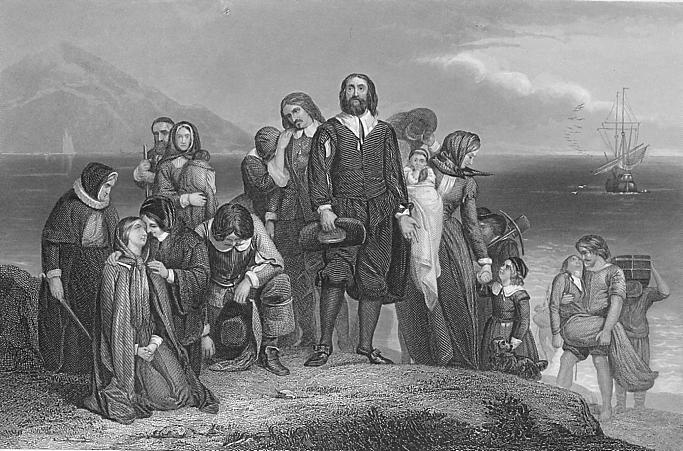
Thursday, March 22, 2007
Journal 25: Jack London
Michelle Romero
Eng. 48B
Dr. Scott Lankford
"To Build a Fire," by Jack London
"The trouble with him was that he was without imagination. He was quick and alert in the things of life, but only in the things, and not in the significances."
I love this quote, it is so critical of a man's reasoning. Especially in American society, because we are a low-context society communication wise, we (or our founding "fathers") have engrained in our thinking that everything must be written down, codified, or expressed in facts and figures. That is one of the reasons women are taken less seriously; men seem to know so much and can explain it with science and reason, while women are too sensitive or have too many emotions. In "The Yellow Wallpaper" for example, Jane's husband John does not take her seriously and often brushes her off like a child with a little pat on the head. She on the other hand has these strong feelings that something is not right about the house.
In this story, London makes man's reasoning appear to be ridiculous by comparing the man’s judgment to the dog’s knowledge. For example, the man KNOWS it is freezing, but he doesn’t understand then the importance of building a fire or doing something at least to survive. The dog on the other hand does.
"Its instincts told it a truer tale than was told to the man by the man's judgment." pg. 978.
I see the dog in London' s story paralleling the women in other stories we have read. Both are ignored despite many efforts to warn or persuade the man and both are the companion to the man.
It is good to note that the dog does feel or sense that something is wrong, it is too cold, and tries to move the man to action. If the man had listened, he may still be alive. It is also noteworthy, that the dog relies on the man to act for the survival of both of them. Bear with me for a moment while I try to explain....
If we consider that the dog is the female character in other stories, then London is suggesting that man not only needs to heed the advice of the intuitive woman, but also that woman needs man just the same. This even goes back to the Bible if we want to go that route since it says that Eve was created to be a "suitable helper" to Adam. What do you know, man needs help. :)
Anyway, more support of this idea comes at the end when the dog walks off after the man has died, to find the camp he knew, "where were the other food-providers and fire-providers." pg. 987. It is kind of like a food and shelter concept, that the man is the provider and that the woman belongs at his side.
I'm still thinking this one over...
Eng. 48B
Dr. Scott Lankford
"To Build a Fire," by Jack London
"The trouble with him was that he was without imagination. He was quick and alert in the things of life, but only in the things, and not in the significances."
I love this quote, it is so critical of a man's reasoning. Especially in American society, because we are a low-context society communication wise, we (or our founding "fathers") have engrained in our thinking that everything must be written down, codified, or expressed in facts and figures. That is one of the reasons women are taken less seriously; men seem to know so much and can explain it with science and reason, while women are too sensitive or have too many emotions. In "The Yellow Wallpaper" for example, Jane's husband John does not take her seriously and often brushes her off like a child with a little pat on the head. She on the other hand has these strong feelings that something is not right about the house.
In this story, London makes man's reasoning appear to be ridiculous by comparing the man’s judgment to the dog’s knowledge. For example, the man KNOWS it is freezing, but he doesn’t understand then the importance of building a fire or doing something at least to survive. The dog on the other hand does.
"Its instincts told it a truer tale than was told to the man by the man's judgment." pg. 978.
I see the dog in London' s story paralleling the women in other stories we have read. Both are ignored despite many efforts to warn or persuade the man and both are the companion to the man.
It is good to note that the dog does feel or sense that something is wrong, it is too cold, and tries to move the man to action. If the man had listened, he may still be alive. It is also noteworthy, that the dog relies on the man to act for the survival of both of them. Bear with me for a moment while I try to explain....
If we consider that the dog is the female character in other stories, then London is suggesting that man not only needs to heed the advice of the intuitive woman, but also that woman needs man just the same. This even goes back to the Bible if we want to go that route since it says that Eve was created to be a "suitable helper" to Adam. What do you know, man needs help. :)
Anyway, more support of this idea comes at the end when the dog walks off after the man has died, to find the camp he knew, "where were the other food-providers and fire-providers." pg. 987. It is kind of like a food and shelter concept, that the man is the provider and that the woman belongs at his side.
I'm still thinking this one over...
Monday, March 19, 2007
Journal 24: Sui Sin Far
Michelle Romero
Eng. 48b
Dr. Scott Lankford
When the neighbor is talking about all Americans being part of a royal class, Mr. Spring Fragrance challenges....
"'What about my brother in the Detention Pen?' dryly inquired Mr. Spring Fragrance.
'Now, you've got me,' said the young man, rubbing his head. 'Well, that is a shame--a beastly shame, as the Englishman says. But understand, old fellow, we that are real Americans are up against that--even more than you. It is against our principles.'"
"Mrs. Spring Fragrance" is filled with themes of principles/theories vs. realities, even down to the very misperceptions her husband has toward her reasons for being in San Francisco.
Everything on the surface is being challenged by what we the reader, knows is really happening and really not happening.
In this case, the nonchalant dialogue of Mr. Spring Fragrance's American friend tells me that he really doesn't understand what he is going through and how he feels about the wrongs being done to his brother, for one. Here is the image of a young, brawny American college student on the horizon of a bright future and then on the other side of the fence (literally) is his Chinese immigrant counterpart who is suffering losses unnoticed on the surface of his day to day life. The one cannot possibly relate to the other, not on any deep level anyway.
It is also profound that the American student can so easily dismiss a real cruelty as being of no importance considering it is against American principles. It is as though, as long as Americans acknowledge in writing or in speech the rights of human beings, the actions taken by the government are of no consequence. This really speaks to the power of denial. BIG TIME!
At other times in history, the same false images have been used to make Americans feel better about very serious, very real oppression and discrimination. One example is the Holocaust, another is Vietnam, and yet another is today's war in Iraq. Then of course we can't forget the realities of Zitkala Sa's own experiences as a poor Indian whose tribal problems went unacknowledged at satisfaction of visitors who only ventured as far as the wall of honor in student halls.
The more I read into the language and sarcasm of Sui Sin Far's story, I think she is almost laughing at the stupidity of Americans who trick themselves against seeing what is real. I say almost, because I think that she can not come to complete laughter when it is for such a ridiculous reason that her people have suffered so greatly.
Eng. 48b
Dr. Scott Lankford
When the neighbor is talking about all Americans being part of a royal class, Mr. Spring Fragrance challenges....
"'What about my brother in the Detention Pen?' dryly inquired Mr. Spring Fragrance.
'Now, you've got me,' said the young man, rubbing his head. 'Well, that is a shame--a beastly shame, as the Englishman says. But understand, old fellow, we that are real Americans are up against that--even more than you. It is against our principles.'"
"Mrs. Spring Fragrance" is filled with themes of principles/theories vs. realities, even down to the very misperceptions her husband has toward her reasons for being in San Francisco.
Everything on the surface is being challenged by what we the reader, knows is really happening and really not happening.
In this case, the nonchalant dialogue of Mr. Spring Fragrance's American friend tells me that he really doesn't understand what he is going through and how he feels about the wrongs being done to his brother, for one. Here is the image of a young, brawny American college student on the horizon of a bright future and then on the other side of the fence (literally) is his Chinese immigrant counterpart who is suffering losses unnoticed on the surface of his day to day life. The one cannot possibly relate to the other, not on any deep level anyway.
It is also profound that the American student can so easily dismiss a real cruelty as being of no importance considering it is against American principles. It is as though, as long as Americans acknowledge in writing or in speech the rights of human beings, the actions taken by the government are of no consequence. This really speaks to the power of denial. BIG TIME!
At other times in history, the same false images have been used to make Americans feel better about very serious, very real oppression and discrimination. One example is the Holocaust, another is Vietnam, and yet another is today's war in Iraq. Then of course we can't forget the realities of Zitkala Sa's own experiences as a poor Indian whose tribal problems went unacknowledged at satisfaction of visitors who only ventured as far as the wall of honor in student halls.
The more I read into the language and sarcasm of Sui Sin Far's story, I think she is almost laughing at the stupidity of Americans who trick themselves against seeing what is real. I say almost, because I think that she can not come to complete laughter when it is for such a ridiculous reason that her people have suffered so greatly.
Journal 23: Sui Sin Far
Michelle Romero
Eng. 48b
Dr. Scott Lankford
Sui Sin Far
"Tsen Hing, the son of the Government school-master, seems to be much in the company of your young wife. He is a good-looking youth, and pardon me, my dear cousin; but if women are allowed to stray at will from under their husbands' mulberry roofs, what is to prevent them from becoming butterflies?"
This passage contains the words written by one of the Mr. Spring Fragrance's older cousins, one of his bachelor cousins to be more precise, in a letter to Mr. Spring Fragrance warning him of his wife's supposed flirtatiousness.
Here is what I think: No wonder this cousin is still a bachelor! If he ever was married, thank goodness his wife was smart enough to butter-FLY away from him. Mr. Spring Fragrance should have knocked him hard for accusing his wife of such improper acts without any grounds.
This passage to me has "The Yellow Wallpaper" written all over it. In Gilman's "The Yellow Wallpaper," Jane hated the wallpaper, but after John (her husband) had initially "intended" to change the wallpaper, he decided not to after thinking of how she then would want to go around changing other things around the house. Like a new shade of paper is going to kill anyone!
The point in that part of "The Yellow Wallpaper" was that if you give a woman the freedom to choose or to do something of her own free will, she will want more freedoms and that was of more threat to the fabric of society.
Similarly here, the cousin is warning Mr. Spring Fragrance that by allowing his wife to run about San Francisco wild and without a chaperon, she may in fact turn into a butterfly. I like the word "butterfly" in this passage because it is a pleasant word which evokes pleasant thoughts.
By using this word, Sui Sin Far makes her message clear regarding gender relations. She does not write that the men are actually worried about someone taking advantage of this poor, defenseless woman, or that she may turn in to a slut, but instead they are worried that she will in fact become a more free and elevated, independent creature. The words suggest her innate power, separate from a man and I can respect that.
Eng. 48b
Dr. Scott Lankford
Sui Sin Far
"Tsen Hing, the son of the Government school-master, seems to be much in the company of your young wife. He is a good-looking youth, and pardon me, my dear cousin; but if women are allowed to stray at will from under their husbands' mulberry roofs, what is to prevent them from becoming butterflies?"
This passage contains the words written by one of the Mr. Spring Fragrance's older cousins, one of his bachelor cousins to be more precise, in a letter to Mr. Spring Fragrance warning him of his wife's supposed flirtatiousness.
Here is what I think: No wonder this cousin is still a bachelor! If he ever was married, thank goodness his wife was smart enough to butter-FLY away from him. Mr. Spring Fragrance should have knocked him hard for accusing his wife of such improper acts without any grounds.
This passage to me has "The Yellow Wallpaper" written all over it. In Gilman's "The Yellow Wallpaper," Jane hated the wallpaper, but after John (her husband) had initially "intended" to change the wallpaper, he decided not to after thinking of how she then would want to go around changing other things around the house. Like a new shade of paper is going to kill anyone!
The point in that part of "The Yellow Wallpaper" was that if you give a woman the freedom to choose or to do something of her own free will, she will want more freedoms and that was of more threat to the fabric of society.
Similarly here, the cousin is warning Mr. Spring Fragrance that by allowing his wife to run about San Francisco wild and without a chaperon, she may in fact turn into a butterfly. I like the word "butterfly" in this passage because it is a pleasant word which evokes pleasant thoughts.
By using this word, Sui Sin Far makes her message clear regarding gender relations. She does not write that the men are actually worried about someone taking advantage of this poor, defenseless woman, or that she may turn in to a slut, but instead they are worried that she will in fact become a more free and elevated, independent creature. The words suggest her innate power, separate from a man and I can respect that.
Friday, March 16, 2007
Journal 22: Zitkala Sa
Michelle Romero
Eng 48B
Dr. Scott Lankford
"On one occasion, I forgot the cloud shadow in a strange notion to catch up with my own shadow." Page 1013
This is the opening sentence for the cloud chasing scene in which Sa is trying to catch her own shadow which always seems to be a few steps beyond her reach.
In this scene we discussed double consciousness. I think this particular scene has more to do with individual and familial identity rather than ethnic identity. A few paragraphs before this, Sa says, "We delighted in impersonating our own mothers." The source of her mother's anger then, comes when Sa no longer seeks to impersonate her mother but goes searching for something more. She is searching for her own shadow, and in the context of double-consciousness, is looking for the other half of her identity which can only be found in her father’s culture. When I say shadow, I mean her past, the outline of her own likeness, her father. I am sure she had moments where she thought of finding her father or at least thought of what her father looked like or lived like. Especially because story telling is so much a part of Indian culture, I would assume she would want to know stories about her father and who he was.
From the mother's perspective, I imagine this must have offended her greatly while at the same time, knowing that she could not provide many nice things in the poor conditions of their living. This is probably why she does not deny Sa from attending the Quaker school, but only discourages her.
In this shadow chasing passage, Sa says she forgot the cloud shadow. I think the cloud shadow would be the shadow of the tribe, the shadow of her collective identity. After all, clouds are a collection of water molecules and cannot be formed by just one.
Also, the fact that her comrades did not know what she was doing and had not tried chasing their own shadow before gives me further reason to believe that this experience may have been a more personal one rather than a representative experience of the Indians.
This I think is a unique quality which Sa brings to literature. In this time period it seems there is a lot of themes in realism, racism, and cultural identity, but so far I think she is the first (from the authors we are reading in class) who can project the experience and emotion of a girl without a father and the effects it has on her quest to confirm her identity.
Eng 48B
Dr. Scott Lankford
"On one occasion, I forgot the cloud shadow in a strange notion to catch up with my own shadow." Page 1013
This is the opening sentence for the cloud chasing scene in which Sa is trying to catch her own shadow which always seems to be a few steps beyond her reach.
In this scene we discussed double consciousness. I think this particular scene has more to do with individual and familial identity rather than ethnic identity. A few paragraphs before this, Sa says, "We delighted in impersonating our own mothers." The source of her mother's anger then, comes when Sa no longer seeks to impersonate her mother but goes searching for something more. She is searching for her own shadow, and in the context of double-consciousness, is looking for the other half of her identity which can only be found in her father’s culture. When I say shadow, I mean her past, the outline of her own likeness, her father. I am sure she had moments where she thought of finding her father or at least thought of what her father looked like or lived like. Especially because story telling is so much a part of Indian culture, I would assume she would want to know stories about her father and who he was.
From the mother's perspective, I imagine this must have offended her greatly while at the same time, knowing that she could not provide many nice things in the poor conditions of their living. This is probably why she does not deny Sa from attending the Quaker school, but only discourages her.
In this shadow chasing passage, Sa says she forgot the cloud shadow. I think the cloud shadow would be the shadow of the tribe, the shadow of her collective identity. After all, clouds are a collection of water molecules and cannot be formed by just one.
Also, the fact that her comrades did not know what she was doing and had not tried chasing their own shadow before gives me further reason to believe that this experience may have been a more personal one rather than a representative experience of the Indians.
This I think is a unique quality which Sa brings to literature. In this time period it seems there is a lot of themes in realism, racism, and cultural identity, but so far I think she is the first (from the authors we are reading in class) who can project the experience and emotion of a girl without a father and the effects it has on her quest to confirm her identity.
Journal 21: Zitkala Sa
Michelle Romero
Eng. 48b
Dr. Scott Lankford
"Never pluck a single plum from this bush, my child, for its roots are wrapped around an Indian's skeleton. While he lived, he was so fond of playing the game of striped plum seeds that, at his death, his set of plum seeds were buried in his hands." Pg. 1015, bottom of the page.
This is the story of the dead Indian who was buried under a plum bush that Sa and her mother come across as they are walking. In class, we touched on a few aspects, 1) that story-telling is so much a part of their culture, and 2) it was as though the bush was a monument for a brave Indian they knew or heard of.
I want to bring up the darker side of this image. (Maybe I should lighten up, but I can do that later). I think it is important not to miss that the image of the plums carries to his death. It is the mark of something, a clue. I would say the picking of plums killed him, literally. The sentence right after this passage says, "Eyeing the forbidden fruit, I trod lightly on sacred ground..." The plums were forbidden fruit and I would say they were forbidden at the time the dead Indian was alive too. Therefore, his consumption of the fruit killed him.
Back to the Bible, it is widely known that the beginning of all evil started in the garden at the picking of a forbidden fruit, at least in the Christian perspective of things. Because this is a Christian belief, I would say that the forbidden fruit is the sweetness that the whites can offer. (Another passage describes the mother telling Sa not to believe the sweet words of the whites.) In essence, is it probably not greener on the other side.
The bush instead, serves as a reminder not to pick at forbidden fruit. It is probably not the literal grave of a dead Indian, but a symbolic one. This image is a metaphor of the luring, seducing power of the whites and their deceit and inhumane actions towards Indians.
Mexicans for a time in more recent history did not eat grapes. The grapes were symbolic of the harm that their pesticides were doing to the farm workers. The concept is the same here with the plums and the bush.
Eng. 48b
Dr. Scott Lankford
"Never pluck a single plum from this bush, my child, for its roots are wrapped around an Indian's skeleton. While he lived, he was so fond of playing the game of striped plum seeds that, at his death, his set of plum seeds were buried in his hands." Pg. 1015, bottom of the page.
This is the story of the dead Indian who was buried under a plum bush that Sa and her mother come across as they are walking. In class, we touched on a few aspects, 1) that story-telling is so much a part of their culture, and 2) it was as though the bush was a monument for a brave Indian they knew or heard of.
I want to bring up the darker side of this image. (Maybe I should lighten up, but I can do that later). I think it is important not to miss that the image of the plums carries to his death. It is the mark of something, a clue. I would say the picking of plums killed him, literally. The sentence right after this passage says, "Eyeing the forbidden fruit, I trod lightly on sacred ground..." The plums were forbidden fruit and I would say they were forbidden at the time the dead Indian was alive too. Therefore, his consumption of the fruit killed him.
Back to the Bible, it is widely known that the beginning of all evil started in the garden at the picking of a forbidden fruit, at least in the Christian perspective of things. Because this is a Christian belief, I would say that the forbidden fruit is the sweetness that the whites can offer. (Another passage describes the mother telling Sa not to believe the sweet words of the whites.) In essence, is it probably not greener on the other side.
The bush instead, serves as a reminder not to pick at forbidden fruit. It is probably not the literal grave of a dead Indian, but a symbolic one. This image is a metaphor of the luring, seducing power of the whites and their deceit and inhumane actions towards Indians.
Mexicans for a time in more recent history did not eat grapes. The grapes were symbolic of the harm that their pesticides were doing to the farm workers. The concept is the same here with the plums and the bush.
Thursday, March 15, 2007
Journal 20: Zitkala Sa (Gertrude Simmons Bonnin)
Michelle Romero
Eng. 48b
Dr. Scott Lankford
"'Pity the man, my child. I knew him when he was a brave and handsome youth. He was overtaken by a malicious spirit among the hills, one day, when he went hither and thither after his ponies. Since then he cannot stay away from the hills,' she says." Page 1014, 1st paragraph
This quote is the quote of Sa's mother advising her to have pity on Wiyaka-Napbina, a man who Sa is not very fond of and even a little frightened by perhaps. Her mother tells her of a time when Wiyaka was brave and handsome, before he was overtaken.
What strikes me here is the metaphorical hills in the passage. Later down the page, we read that they are making coffee with water from the Missouri River. Missouri of course has literal hills, but also, compared to mountains, they are just little stumps. Sa publishes this work in 1900 and a little over 60 years later, Martin Luther King writes a speech using mountains and hills as metaphors for high and lowly people. In fact, he specifically criticizes the hills of Missouri, where there was a huge amount of oppression and racism against blacks. I wonder if he didn't read Sa. Who knows?
What I do know is that both King and Sa perceive the Missouri hills to possess a "malicious spirit" as Sa puts it. In this story, it is a spirit which overtakes a member of their tribe, but in a broader sense, an evil which overtook the minds of many ignorant people in a shameful part of American history. It is not a coincidence that Sa describes Wiyaka's defeat as coming when he rode in to the hills after his ponies. I suppose Native Americans did use ponies, but when I think of ponies, I think of American westerns where the cowboys are riding ponies. Then the ponies in Sa's picture might be a representation of this white Western movement and the impact it had.
The last part of this quote says that since Wiyaka was overtaken by this evil among the hills, he cannot stay away from the hills. This to me seems like a idea or theory that once you leave your culture to join the white man, you can never return. Or at least, you will not fit in again.
Sa's own experiences later in the story after leaving for the Quaker schools and returning for visits, indicate a similar idea. She never really feels the same closeness with nature as she did when she was younger, living on the reservation.
The unanswered in all of this is still whether or not the price of assimilation and acculturation is too high, too low, or just right. Should she have maintained her family and ethnic traditional ways, rebuking all else, or is it good to embark on adventures in to other worlds even if it means never fully fitting in either place?
Eng. 48b
Dr. Scott Lankford
"'Pity the man, my child. I knew him when he was a brave and handsome youth. He was overtaken by a malicious spirit among the hills, one day, when he went hither and thither after his ponies. Since then he cannot stay away from the hills,' she says." Page 1014, 1st paragraph
This quote is the quote of Sa's mother advising her to have pity on Wiyaka-Napbina, a man who Sa is not very fond of and even a little frightened by perhaps. Her mother tells her of a time when Wiyaka was brave and handsome, before he was overtaken.
What strikes me here is the metaphorical hills in the passage. Later down the page, we read that they are making coffee with water from the Missouri River. Missouri of course has literal hills, but also, compared to mountains, they are just little stumps. Sa publishes this work in 1900 and a little over 60 years later, Martin Luther King writes a speech using mountains and hills as metaphors for high and lowly people. In fact, he specifically criticizes the hills of Missouri, where there was a huge amount of oppression and racism against blacks. I wonder if he didn't read Sa. Who knows?
What I do know is that both King and Sa perceive the Missouri hills to possess a "malicious spirit" as Sa puts it. In this story, it is a spirit which overtakes a member of their tribe, but in a broader sense, an evil which overtook the minds of many ignorant people in a shameful part of American history. It is not a coincidence that Sa describes Wiyaka's defeat as coming when he rode in to the hills after his ponies. I suppose Native Americans did use ponies, but when I think of ponies, I think of American westerns where the cowboys are riding ponies. Then the ponies in Sa's picture might be a representation of this white Western movement and the impact it had.
The last part of this quote says that since Wiyaka was overtaken by this evil among the hills, he cannot stay away from the hills. This to me seems like a idea or theory that once you leave your culture to join the white man, you can never return. Or at least, you will not fit in again.
Sa's own experiences later in the story after leaving for the Quaker schools and returning for visits, indicate a similar idea. She never really feels the same closeness with nature as she did when she was younger, living on the reservation.
The unanswered in all of this is still whether or not the price of assimilation and acculturation is too high, too low, or just right. Should she have maintained her family and ethnic traditional ways, rebuking all else, or is it good to embark on adventures in to other worlds even if it means never fully fitting in either place?
Tuesday, March 6, 2007
Journal 19: Charlotte Perkins Gilman
Michelle Romero
Eng 48b
Dr. Scott Lankford
"There comes John's sister. Such a dear girl as she is, and so careful of me! I must not let her find me writing." pg. 836
This always amazes me, how true yet how disturbing, that a race can contribute to its own oppression.
In this case, the other woman in the story, John's sister, also treats the main character as though something were terribly wrong with her and that she should not write because the work will make her sick. Not only does the main character then have to be sneaky behind John's back if she is going to do something that pleases her, but also she must hide it from her female companion. Who can she trust? I think, as was revealed in "The Blue Hotel" too (when the Swede says he is going to die and keeps nudging the Easterner to show his agreement and he doesn't), that when a race is being oppressed, each begins to think in terms of "I" and in terms of survival. If John's sister were to agree with our sickly friend, would she then also be labeled "nervous" and be sent to bed rest?
In addition, the main character reveals that John's sister is so dear, and always "careful" of her. Already, the main character shows symptoms of "made-to-feel" emotions. The people around her have made her feel she is fragile and her dialogue reveals her acceptance of this. What if she is really strong? After all, she has stomached that wallpaper for this long right? She has resisted the persistent voices which tell her the house is lovely, not creepy and not to write....up until now anyway.
However, the effects of her environment are wearing. She later says she is becoming afraid of John and states, "He seems very queer sometimes, and even Jennie (her care-taker) has an inexplicable look." Although the oppression of women is being discussed, both men and women in this story have been affected by the environment around which tells them what to say, think, and feel. Both men and women contributed to the imprisonment of this woman.
Eng 48b
Dr. Scott Lankford
"There comes John's sister. Such a dear girl as she is, and so careful of me! I must not let her find me writing." pg. 836
This always amazes me, how true yet how disturbing, that a race can contribute to its own oppression.
In this case, the other woman in the story, John's sister, also treats the main character as though something were terribly wrong with her and that she should not write because the work will make her sick. Not only does the main character then have to be sneaky behind John's back if she is going to do something that pleases her, but also she must hide it from her female companion. Who can she trust? I think, as was revealed in "The Blue Hotel" too (when the Swede says he is going to die and keeps nudging the Easterner to show his agreement and he doesn't), that when a race is being oppressed, each begins to think in terms of "I" and in terms of survival. If John's sister were to agree with our sickly friend, would she then also be labeled "nervous" and be sent to bed rest?
In addition, the main character reveals that John's sister is so dear, and always "careful" of her. Already, the main character shows symptoms of "made-to-feel" emotions. The people around her have made her feel she is fragile and her dialogue reveals her acceptance of this. What if she is really strong? After all, she has stomached that wallpaper for this long right? She has resisted the persistent voices which tell her the house is lovely, not creepy and not to write....up until now anyway.
However, the effects of her environment are wearing. She later says she is becoming afraid of John and states, "He seems very queer sometimes, and even Jennie (her care-taker) has an inexplicable look." Although the oppression of women is being discussed, both men and women in this story have been affected by the environment around which tells them what to say, think, and feel. Both men and women contributed to the imprisonment of this woman.
Journal 18: Charlotte Perkins Gilman
Michelle Romero
Eng 48b
Dr. Scott Lankford
"The Yellow Wallpaper"
"One of those sprawling flamboyant patterns committing every artistic sin. It is dull enough to confuse the eye in following, pronounced enough to constantly irritate and provoke study, and when you follow the lame uncertain curved for a little distance they suddenly commit suicide--plunge off at outrageous angles, destroy themselves in unheard of contradictions."
This quote is a description of the pattern of the wallpaper.
I think it is important to notice that the author uses the word "pattern" often throughout the story. We say, "The fabric of society." I think Gilman is describing the pattern in the fabric of American society when she describes the wallpaper. Also, because it is a pattern, it repeats itself, like history is said to repeat itself.
In this case, Gilman is suggesting that American society commits suicide through its contradictions. I like to compare this idea with one from Stephen Crane's "The Blue Hotel" when he ends with his characters realizing how each played a role in the death (or persecution) of the Swede. In Crane's story, the Swede was the marginalized, lesser person who was inevitably put to death by those around him. Gilman takes it one step further by saying that society commits suicide. She does not say that society is successful at destroying the people it sets out to destroy (though other passages suggest this), she instead illustrates a loss for society as a whole. For this to be possible, women would have to play an important role in society. This is what she is implying in this quote. The oppression of women is not only damaging to women, but is damaging to the greater good of the whole society, for they will too lose what she could have contributed and those consequences can not always be measured.
Later she reveals the “sub-pattern” behind the wallpaper, the figure of a woman which can only be seen in certain lights and even then, not very distinctly. This again contributes to the idea that the wallpaper would represent the mainstream society. Women are behind this dominant image, (even trapped behind) somewhere in the “sub-pattern” where they are only sometimes seen. Again, it all contributes to the feelings of women at the time and their role in relation to society.
Eng 48b
Dr. Scott Lankford
"The Yellow Wallpaper"
"One of those sprawling flamboyant patterns committing every artistic sin. It is dull enough to confuse the eye in following, pronounced enough to constantly irritate and provoke study, and when you follow the lame uncertain curved for a little distance they suddenly commit suicide--plunge off at outrageous angles, destroy themselves in unheard of contradictions."
This quote is a description of the pattern of the wallpaper.
I think it is important to notice that the author uses the word "pattern" often throughout the story. We say, "The fabric of society." I think Gilman is describing the pattern in the fabric of American society when she describes the wallpaper. Also, because it is a pattern, it repeats itself, like history is said to repeat itself.
In this case, Gilman is suggesting that American society commits suicide through its contradictions. I like to compare this idea with one from Stephen Crane's "The Blue Hotel" when he ends with his characters realizing how each played a role in the death (or persecution) of the Swede. In Crane's story, the Swede was the marginalized, lesser person who was inevitably put to death by those around him. Gilman takes it one step further by saying that society commits suicide. She does not say that society is successful at destroying the people it sets out to destroy (though other passages suggest this), she instead illustrates a loss for society as a whole. For this to be possible, women would have to play an important role in society. This is what she is implying in this quote. The oppression of women is not only damaging to women, but is damaging to the greater good of the whole society, for they will too lose what she could have contributed and those consequences can not always be measured.
Later she reveals the “sub-pattern” behind the wallpaper, the figure of a woman which can only be seen in certain lights and even then, not very distinctly. This again contributes to the idea that the wallpaper would represent the mainstream society. Women are behind this dominant image, (even trapped behind) somewhere in the “sub-pattern” where they are only sometimes seen. Again, it all contributes to the feelings of women at the time and their role in relation to society.
Journal 17: Charlotte Perkins Gilman
Michelle Romero
Eng 48b
Dr. Scott Lankford
Charlotte Perkins Gilman, "The Yellow Wallpaper."
"At first he meant to repaper the room, but afterwards he said that I was letting it get the better of me, and that nothing was worse for a nervous patient than to give way to such fancies." pg. 835
In the story, this quote was meant to describe the woman's will for the wallpaper to come down, and her husband’s refusal to give her this. Socially and psychological, the principle of the matter is what lies beneath.
Who cares about the wallpaper? It is just wallpaper! ...Right? Wrong! The significance of the wallpaper is what it symbolizes. In this case, it symbolizes something which is all around the woman, yet something she cannot control. The wallpaper was chosen for her. To have something so close day in and day out, and yet be so far from having any affect as to what color it is, is ridiculous. It would be like teacher or school not being able to choose the curriculum, but have it instead be chosen by a third party having nothing to do with education. It would be like men deciding what is best for women....oh, that is exactly what it is. An unaffected third party can not know what it is to be someone or something they are not.
In this case, WHY can't she repaper the wall? After all, SHE is the one living in the room day in and day out for 3 months. If the room had Nazi symbols plastered all over the wall and a Jew was forced to reside in the room for any amount of time, I am sure he or she would go just as crazy as the woman in this story did.
The wallpaper represents the limitations or oppression of women. The text says, "At first he meant to repaper the room, but..." At first, he (John & on a larger scale, the dominant male society) meant to allow her to have her way. AT FIRST! BUT, then he thought about it twice! If she had her way once, she would want to have her way again. For whatever reason, this came as a threat to John so he decided finally that he would not repaper the room for her. He would not give her an ounce of choice or freedom in the unfortunate and probable event that she may have a taste of the freedom and want more. Besides, he only “meant” to let her have her way initially, he never decided. Good intentions are meaningless. That is oppression.
The second part of the quote reaffirms that the woman must be crazy. Of course, it is classic for the United States to blame the person/people they are oppressing as some sort of justification for self-elevation of the dominant male/white/rich society. The same happened to the blacks. They could not be free because they were "dangerous" and could not be trusted. In this case, the woman's judgment could also not be trusted, for she was too "nervous."
What I resent most, not in the text, but in the reflection of what the text says, is that at some point in history, mainstream society persecuted women or looked down on their abilities for something I feel makes them women to celebrate: their “nerves”. I think it is true in most cases, although I can not speak for every woman, that women are by comparison more emotional. I realize this is a loaded word for how it has often been used, but that is the point. Women have a unique ability to "sense" things, and in this story and in history that has been dismissed. Characteristics categorized as "female" are dismissed as being of less or no value. Instead I feel these unique qualities provide value to humanity if only society would accept it.
In regard to the text, I think Gilman reveals many, many deeply felt emotions in women as second class citizens. I can not imagine how women of her time felt in regard to these things, but I know that even I still feel very strong emotions as a woman in a "male" society in 2007, where I do not always understand what exactly it is that gets to me, but I just know that something isn't right. These nurtured "made-to-feel" emotions are DEEPLY woven into our American fabric.
After reading this story, I went and bought another book on other short stories from Gilman, which includes some selections from Women and Economics. (I will have to order Women and Economics).
Eng 48b
Dr. Scott Lankford
Charlotte Perkins Gilman, "The Yellow Wallpaper."
"At first he meant to repaper the room, but afterwards he said that I was letting it get the better of me, and that nothing was worse for a nervous patient than to give way to such fancies." pg. 835
In the story, this quote was meant to describe the woman's will for the wallpaper to come down, and her husband’s refusal to give her this. Socially and psychological, the principle of the matter is what lies beneath.
Who cares about the wallpaper? It is just wallpaper! ...Right? Wrong! The significance of the wallpaper is what it symbolizes. In this case, it symbolizes something which is all around the woman, yet something she cannot control. The wallpaper was chosen for her. To have something so close day in and day out, and yet be so far from having any affect as to what color it is, is ridiculous. It would be like teacher or school not being able to choose the curriculum, but have it instead be chosen by a third party having nothing to do with education. It would be like men deciding what is best for women....oh, that is exactly what it is. An unaffected third party can not know what it is to be someone or something they are not.
In this case, WHY can't she repaper the wall? After all, SHE is the one living in the room day in and day out for 3 months. If the room had Nazi symbols plastered all over the wall and a Jew was forced to reside in the room for any amount of time, I am sure he or she would go just as crazy as the woman in this story did.
The wallpaper represents the limitations or oppression of women. The text says, "At first he meant to repaper the room, but..." At first, he (John & on a larger scale, the dominant male society) meant to allow her to have her way. AT FIRST! BUT, then he thought about it twice! If she had her way once, she would want to have her way again. For whatever reason, this came as a threat to John so he decided finally that he would not repaper the room for her. He would not give her an ounce of choice or freedom in the unfortunate and probable event that she may have a taste of the freedom and want more. Besides, he only “meant” to let her have her way initially, he never decided. Good intentions are meaningless. That is oppression.
The second part of the quote reaffirms that the woman must be crazy. Of course, it is classic for the United States to blame the person/people they are oppressing as some sort of justification for self-elevation of the dominant male/white/rich society. The same happened to the blacks. They could not be free because they were "dangerous" and could not be trusted. In this case, the woman's judgment could also not be trusted, for she was too "nervous."
What I resent most, not in the text, but in the reflection of what the text says, is that at some point in history, mainstream society persecuted women or looked down on their abilities for something I feel makes them women to celebrate: their “nerves”. I think it is true in most cases, although I can not speak for every woman, that women are by comparison more emotional. I realize this is a loaded word for how it has often been used, but that is the point. Women have a unique ability to "sense" things, and in this story and in history that has been dismissed. Characteristics categorized as "female" are dismissed as being of less or no value. Instead I feel these unique qualities provide value to humanity if only society would accept it.
In regard to the text, I think Gilman reveals many, many deeply felt emotions in women as second class citizens. I can not imagine how women of her time felt in regard to these things, but I know that even I still feel very strong emotions as a woman in a "male" society in 2007, where I do not always understand what exactly it is that gets to me, but I just know that something isn't right. These nurtured "made-to-feel" emotions are DEEPLY woven into our American fabric.
After reading this story, I went and bought another book on other short stories from Gilman, which includes some selections from Women and Economics. (I will have to order Women and Economics).
Friday, March 2, 2007
Journal 16: Sarah Orne Jewett
Michelle Romero
Eng 48b
Dr. Scott Lankford
A White Heron
"Everybody said that it was a good change for a little maid who had tried to grow for eight years in a crowded manufacturing town, but, as for Sylvia herself, it seemed as if she never had been alive at all before she came to live at the farm. She thought often with wistful compassion of a wretched geranium that belonged to a town neighbor."
This passage describes Sylvia's growth after moving out to the farm, away from the busy manufacturing city full of inhabitants. It is as though Sylvia really blossoms when she is given the freedom to roam about and explore nature and her self without limitations. Her neighbor on the other hand, is left with a wretched geranium.
The flower is symbolic of life, beauty, and woman sexuality. While Sylvia has been able to grow and be fulfilled in the quiet peace of the farm, the loud, crowed city seems to wither away the flower of a neighbor she knew.
This symbolism may be left in shallow waters where Jewett suggests that cities are oppressing and do not allow for personal growth, so it is better to live in the quiet of a farm, OR.....
It may really be what the cities represent as an industry which is so oppressing. In the city, there is a society. There is infrastructure, not just physical, but also societal. There are rules and norms which women especially are expected to follow. In this case, Jewett may be revealing a deeper oppression of the free and independent child within each woman and the need for that to be preserved for true personal fulfillment. She suggests, in other passages as well, that this sort of fulfillment is not possible in the crowed, industrial cities; there is no place for women to be their own person.
A later passage supports this deeper symbolic meaning when Sylvia moves on to another tree where she will discover the white heron and have to make a decision: "There, when she made the dangerous pass from one tree to the other, the great enterprise would really begin."
Again, she tells the reader that the decision or possibly, the passing from a child in to a woman, is dangerous. Dangerous because it is a mystery? Dangerous because she will not have her own voice anymore? We do not know. What we do know is that in that decision or that crossing over, the "enterprise" begins. The "enterprise" of course is another reference to industry, structure, rules, and "progress."
There are different depths of meanings in these passages, but Jewett is insightfully recognizing the changes occurring around her AND their consequences in different arenas. This is what makes her a great local color writer, but also on a deeper level, and insightful literary figure of her time.
Eng 48b
Dr. Scott Lankford
A White Heron
"Everybody said that it was a good change for a little maid who had tried to grow for eight years in a crowded manufacturing town, but, as for Sylvia herself, it seemed as if she never had been alive at all before she came to live at the farm. She thought often with wistful compassion of a wretched geranium that belonged to a town neighbor."
This passage describes Sylvia's growth after moving out to the farm, away from the busy manufacturing city full of inhabitants. It is as though Sylvia really blossoms when she is given the freedom to roam about and explore nature and her self without limitations. Her neighbor on the other hand, is left with a wretched geranium.
The flower is symbolic of life, beauty, and woman sexuality. While Sylvia has been able to grow and be fulfilled in the quiet peace of the farm, the loud, crowed city seems to wither away the flower of a neighbor she knew.
This symbolism may be left in shallow waters where Jewett suggests that cities are oppressing and do not allow for personal growth, so it is better to live in the quiet of a farm, OR.....
It may really be what the cities represent as an industry which is so oppressing. In the city, there is a society. There is infrastructure, not just physical, but also societal. There are rules and norms which women especially are expected to follow. In this case, Jewett may be revealing a deeper oppression of the free and independent child within each woman and the need for that to be preserved for true personal fulfillment. She suggests, in other passages as well, that this sort of fulfillment is not possible in the crowed, industrial cities; there is no place for women to be their own person.
A later passage supports this deeper symbolic meaning when Sylvia moves on to another tree where she will discover the white heron and have to make a decision: "There, when she made the dangerous pass from one tree to the other, the great enterprise would really begin."
Again, she tells the reader that the decision or possibly, the passing from a child in to a woman, is dangerous. Dangerous because it is a mystery? Dangerous because she will not have her own voice anymore? We do not know. What we do know is that in that decision or that crossing over, the "enterprise" begins. The "enterprise" of course is another reference to industry, structure, rules, and "progress."
There are different depths of meanings in these passages, but Jewett is insightfully recognizing the changes occurring around her AND their consequences in different arenas. This is what makes her a great local color writer, but also on a deeper level, and insightful literary figure of her time.
Subscribe to:
Posts (Atom)

